Australia's Fuel Crisis: PM Albanese Warns of Prolonged Economic Shock from War
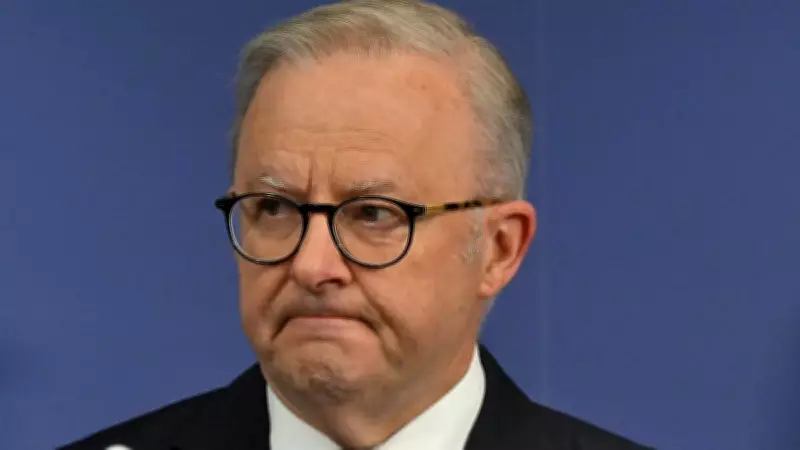
Prime Minister Anthony Albanese has issued a stark warning that the economic shockwaves from ongoing global conflicts will continue to reverberate across Australia for many months to come. In a statement addressing the nation's mounting fuel crisis, Albanese emphasized the urgent need for citizens to adapt by increasing their reliance on public transportation systems.
Fuel Import Dependency Exposes Vulnerability
The Australian economy faces particular vulnerability due to its heavy reliance on imported fuel. With approximately 90% of its fuel needs sourced from international markets, the country has experienced dramatic surges in petrol prices and localized shortages at service stations nationwide. This dependency leaves Australia exposed to global supply chain disruptions and geopolitical tensions affecting oil-producing regions.
Economic Ripple Effects Across Sectors
The fuel crisis has created significant economic ripple effects that extend far beyond the pump:

- Transportation Costs: Rising fuel prices have increased operational expenses for logistics companies, freight carriers, and delivery services.
- Consumer Prices: Higher transportation costs are being passed along to consumers through increased prices for goods and services.
- Business Operations: Many Australian businesses report challenges maintaining normal operations due to fuel availability issues and cost pressures.
- Regional Disparities: Remote and regional communities face particular hardship with fewer transportation alternatives and greater distances to travel.
Government Response and Public Transport Push
In response to the escalating situation, Prime Minister Albanese has made a direct appeal to Australians to reduce their private vehicle usage and embrace public transportation alternatives. The government is exploring multiple strategies to address the crisis:
- Immediate Relief Measures: Short-term interventions to stabilize fuel supplies and mitigate price spikes.
- Infrastructure Investment: Accelerated funding for public transport upgrades and expansion projects.
- Energy Security Planning: Long-term strategies to reduce fuel import dependency through domestic alternatives.
- International Diplomacy: Engagement with global partners to secure stable fuel supplies amid geopolitical tensions.
The Prime Minister acknowledged that while these measures will take time to implement fully, immediate behavioral changes by citizens can help alleviate pressure on the strained fuel distribution system. He emphasized that collective action through increased public transport usage represents one of the most effective short-term responses available to ordinary Australians.
Global Context and Future Outlook
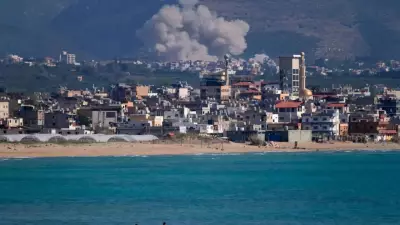
Australia's fuel crisis unfolds against a backdrop of international conflicts affecting major shipping routes and oil-producing regions. The Strait of Hormuz—a critical chokepoint for global oil shipments—remains a particular concern for energy security analysts. With geopolitical tensions showing no signs of abating, experts predict continued volatility in global energy markets that will inevitably impact import-dependent nations like Australia.
As the situation develops, the Albanese government faces mounting pressure to balance immediate crisis management with long-term energy security planning. The coming months will test both Australia's resilience and its capacity to adapt to a rapidly changing global energy landscape.