

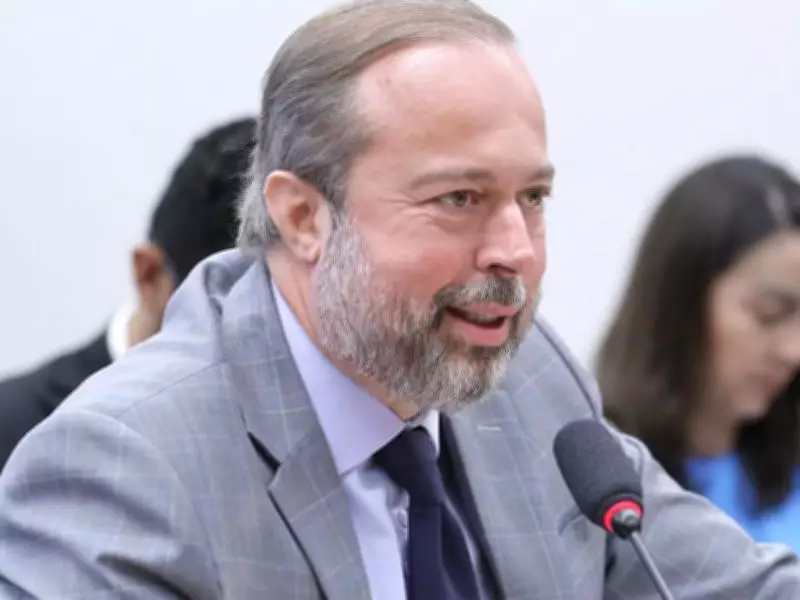
Brazil's Energy Minister Silveira Dismisses Fuel Shortage Concerns
Brazil's Mines and Energy Minister, Alexandre Silveira, has categorically denied any looming fuel shortages in the nation, addressing growing public anxiety with a firm stance. In a recent statement, he emphasized that the country's fuel supply remains stable and sufficient to meet all domestic demands.
Silveira Blames Market Speculation for Unrest
Minister Silveira did not mince words when attributing the recent fuel-related panic to what he described as irresponsible market speculation. He asserted that certain actors within the market are spreading misinformation and engaging in speculative practices that artificially inflate fears of scarcity. This, he argued, is a deliberate attempt to manipulate prices and create undue economic instability.
The minister highlighted that Brazil's robust energy infrastructure and strategic reserves are more than capable of preventing any actual shortage. He pointed to the government's ongoing monitoring of fuel stocks and distribution networks, ensuring that supply chains operate smoothly without interruption.

Government's Assurance and Public Response
In his address, Silveira reassured citizens and businesses that there is no need for panic buying or hoarding of fuel. He urged the public to rely on official communications and avoid falling prey to rumors circulated by speculative entities. The government, he stated, is committed to maintaining transparency and will provide timely updates on the fuel situation.
This move comes amid a global context of fluctuating energy prices and supply chain challenges, which have heightened sensitivities around fuel availability in many countries. Brazil's proactive stance aims to preempt any potential crises by addressing concerns head-on and stabilizing market expectations.
Implications for Brazil's Economy
The denial of fuel shortages and criticism of speculation carry significant economic implications. By quelling fears, the government hopes to prevent price spikes that could exacerbate inflation and disrupt transportation and industrial sectors. Silveira's statements are seen as an effort to bolster confidence in Brazil's energy security and economic resilience.
Observers note that this situation underscores the importance of clear governmental communication in managing public perception during times of uncertainty. The minister's firm rebuttal of shortage claims is expected to calm markets and reinforce trust in national energy policies.






