

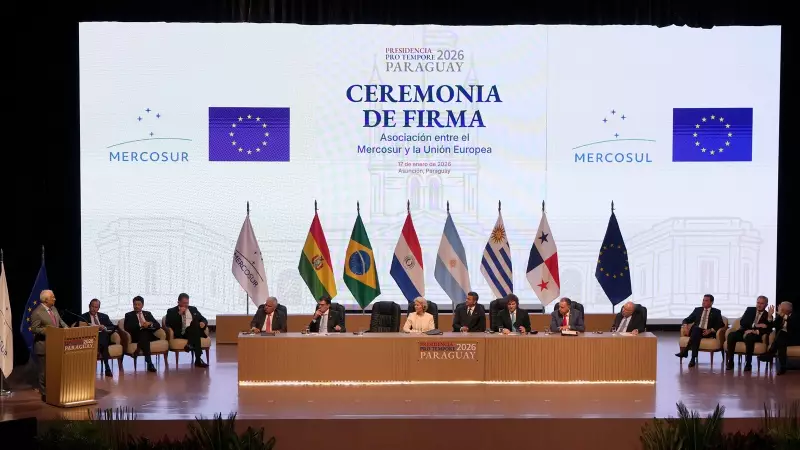
The European Union and the Mercosur bloc have officially signed a historic free trade agreement. This landmark deal concludes over twenty years of intense negotiations between the two major economic regions.
A Long-Awaited Economic Milestone
Negotiators finalized the agreement after persistent efforts to bridge differences. The pact aims to eliminate most tariffs on goods traded between the EU and Mercosur nations. It covers a wide range of products including agricultural items, industrial goods, and services.
Key Benefits for Both Sides
The agreement promises significant economic advantages. European exporters gain better access to South American markets. Mercosur countries can increase their sales of farm products like beef and soybeans to Europe.

Trade between these blocs is expected to grow substantially. The deal also includes provisions on sustainable development and labor standards. Both parties emphasized the importance of environmental protections in the agreement.
Overcoming Challenges and Future Steps
Finalizing this deal required overcoming numerous hurdles. Disagreements over agriculture and environmental rules delayed progress for years. Recent diplomatic efforts helped resolve these sticking points.
The agreement now moves to ratification by individual EU member states and Mercosur countries. This process may take additional time but marks a crucial step forward. Officials from both sides expressed optimism about the deal's implementation.
This free trade agreement represents one of the world's largest trade pacts. It connects economies with a combined population of nearly 800 million people. The deal is seen as a major achievement in international trade relations.






