

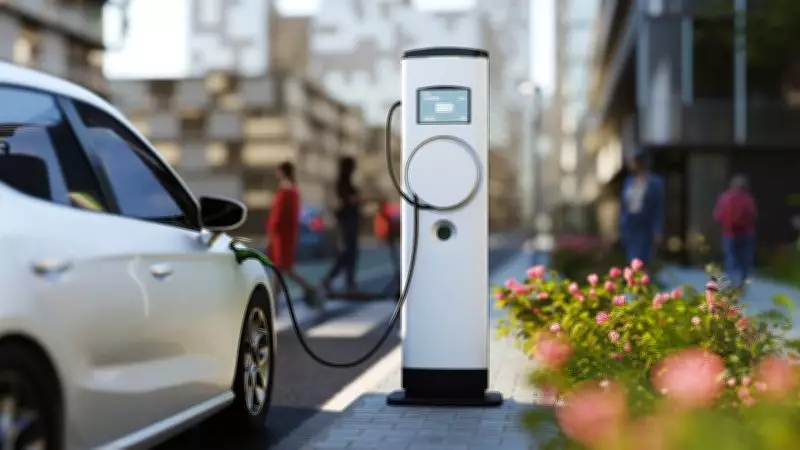
Global Gas Price Surge Sparks Electric Vehicle Adoption Debate Amid Conflict
As geopolitical conflicts continue to escalate, global gas prices have experienced a significant spike, leaving drivers worldwide grappling with increased costs at the pump. This sudden surge has ignited a widespread debate among consumers, industry experts, and policymakers about the long-term sustainability of fossil fuel dependency and the accelerating shift toward electric vehicles (EVs).
Drivers Express Concerns Over Prolonged High Costs
Many drivers are now questioning how long these elevated gas prices will persist, with fears that the conflict could lead to extended disruptions in energy supplies. The uncertainty has prompted a reevaluation of personal transportation choices, as households face mounting financial pressures from daily commutes and travel expenses.
Experts warn that the volatility in global energy markets may not subside quickly, potentially reshaping consumer habits for years to come. This has led to increased interest in alternative energy sources, with electric vehicles emerging as a focal point in discussions about future mobility solutions.

Electric Vehicles Gain Momentum Amid Economic Pressures
The spike in gas prices has accelerated the conversation around electric vehicle adoption, as more consumers consider the economic and environmental benefits of switching to EVs. Industry analysts note a surge in inquiries and test drives for electric models, driven by the desire to reduce reliance on fluctuating fuel costs.
However, challenges remain, including concerns about EV affordability, charging infrastructure availability, and the environmental impact of battery production. Despite these hurdles, the current crisis is pushing governments and automakers to fast-track initiatives aimed at making electric transportation more accessible and efficient.
Long-Term Implications for Energy Markets and Policy
The ongoing conflict has underscored the fragility of global energy supply chains, prompting calls for diversified energy strategies and increased investment in renewable technologies. Policymakers are now under pressure to address both immediate consumer relief and long-term energy security through measures such as subsidies for EVs, expansion of charging networks, and incentives for clean energy adoption.
As the situation evolves, the interplay between geopolitical tensions, energy prices, and technological innovation will likely continue to influence market dynamics and consumer decisions, making the shift toward electric vehicles a critical topic in global economic and environmental discussions.






