

Geopolitics Emerges as Permanent Transformative Force in Global Affairs
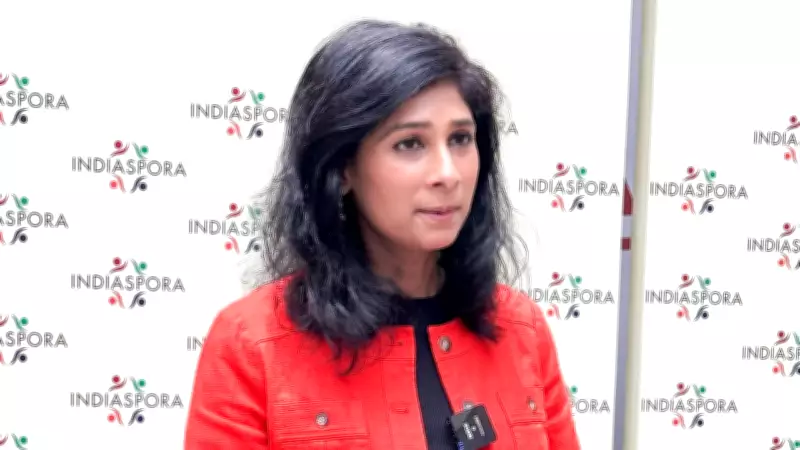
In a significant address at the Indiaspora Forum 2026 in Bengaluru, Harvard economics professor and former IMF first deputy managing director Gita Gopinath issued a stark warning: geopolitics has become a permanent and transformative force shaping global policy. Speaking on Monday, she emphasized that the world is undergoing a fundamental shift away from the post-Cold War era, moving towards a new landscape defined by strategic de-risking and enhanced defense capabilities.
Catalysts for Change: Conflicts and Pandemic Disruptions
Gopinath pointed to the ongoing Iran conflict as a primary catalyst for this transformation, highlighting how it has accelerated trends toward national security and economic self-reliance. "Countries are increasingly building up defense capacities and securing supply chains to insource essential inputs like semiconductors and rare earths," she explained. "This is a transformational change; it is no longer the world we were used to." She noted that this shift is driven by a growing dissatisfaction with the global trading system, exacerbated by pandemic-era supply chain failures that left many nations vulnerable when relying on imports.
No Turning Back: The Irreversible Shift in Global Trade
As a leading global voice on trade and investment, Gopinath asserted that some of these changes were inevitable and are now irreversible. "There has been some dissatisfaction with the global trading system for a little while now," she said, referencing issues such as job losses and perceived inequities in international commerce. "All of that has naturally led us to where we are." She stressed the urgency of reevaluating international organizations to adapt to this new reality, calling for a hard look at what a better rules-based order might entail to address complaints about unfair competition and domestic economic impacts.

Future Uncertainties and the Path Forward
Despite the clear need for reform, Gopinath expressed uncertainty about whether meaningful changes will materialize. "It's time to see what could a better rules-based order look like," she remarked, but acknowledged that the outcome remains up in the air. Her insights underscore the complex interplay between geopolitical tensions, economic policies, and global governance, suggesting that nations must navigate this new era with caution and strategic foresight to maintain stability and prosperity in an increasingly fragmented world.






