

Global Energy Agency Launches Unprecedented Emergency Oil Reserve Release
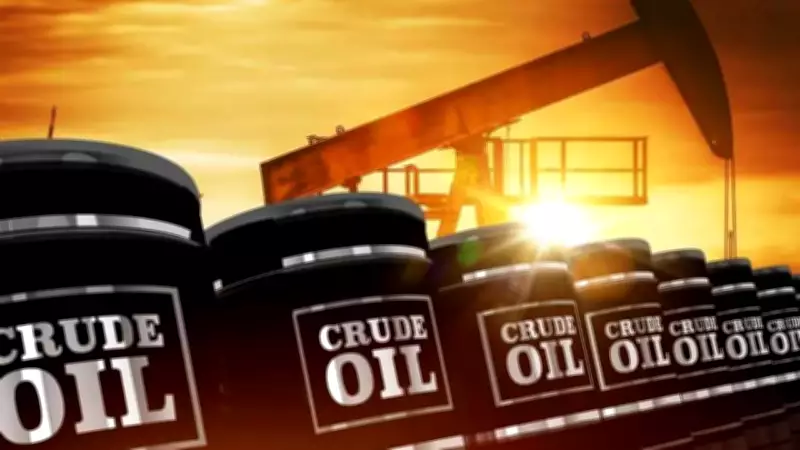
A coordinated international effort to stabilize volatile global energy markets accelerated significantly on Wednesday as the International Energy Agency (IEA) announced plans to release the largest volume of emergency oil reserves in its five-decade history. This decisive action comes amid escalating military tensions across the Middle East that have severely disrupted critical energy supply routes.
Historic Scale of Strategic Reserve Deployment
According to agency officials, the Paris-based IEA will make approximately 400 million barrels of oil available from member nations' strategic petroleum reserves. This volume represents more than double the 182.7 million barrels released in 2022 following Russia's invasion of Ukraine and marks the most substantial coordinated emergency release since the agency's establishment in 1974.
IEA member countries currently maintain over 1.2 billion barrels of public emergency oil stocks, supplemented by an additional 600 million barrels of industry-held stocks maintained under government obligation. The agency's decision reflects growing concerns about the stability of global energy supplies as conflict intensifies across multiple Middle Eastern fronts.

Conflict Severely Disrupts Global Oil Flows
The emergency measure follows a dramatic deterioration in regional security conditions after Iran, responding to coordinated US and Israeli military strikes, initiated attacks against commercial shipping throughout the Persian Gulf. These actions have effectively halted cargo movement through the strategically vital Strait of Hormuz, which typically facilitates approximately one-fifth of global oil shipments.
Iranian forces have additionally targeted oil fields and refineries across Gulf Arab nations, implementing what analysts describe as an economic pressure campaign designed to compel the United States and Israel to cease military operations. The International Energy Agency reported that export volumes of both crude oil and refined petroleum products have plummeted to less than 10 percent of pre-conflict levels, creating significant supply shortages in global markets.
Key Nations Begin Reserve Drawdowns
Germany and Austria confirmed immediate plans to release portions of their strategic petroleum reserves following the IEA's formal request, while Japan announced it would commence drawing down emergency stocks beginning Monday. German Economy Minister Katherina Reiche stated that Berlin would fully comply with the agency's call to contribute to the 400-million-barrel release, equivalent to approximately 54 million metric tons.
"The first emergency deliveries could begin within days," Minister Reiche confirmed during a press briefing. "Germany stands firmly behind the IEA's most important principle of mutual solidarity during energy crises."
Austrian Economy Minister Wolfgang Hattmannsdorfer simultaneously announced that Vienna would release part of its national emergency oil reserves while extending the country's strategic gas stockpile. "One fundamental principle remains clear: during an international crisis, there must be no crisis winners at the expense of ordinary commuters and businesses," Minister Hattmannsdorfer emphasized.
G7 Nations Endorse Strategic Reserve Utilization
Energy ministers from the Group of Seven advanced economies had previously expressed unanimous support for "the implementation of proactive measures to address the deteriorating situation, including the coordinated use of strategic petroleum reserves" following emergency discussions at IEA headquarters in Paris. This endorsement provides crucial political backing for the unprecedented reserve release.
Historical precedent exists for such emergency deployments during previous supply disruptions, including conflicts in Iraq and Libya, along with the more recent energy crisis triggered by Russia's invasion of Ukraine. Governments have consistently turned to strategic reserves as a mechanism to contain sharp spikes in global energy prices that threaten economic stability.

The current Middle Eastern conflict has now entered its twelfth consecutive day, with the United States and Israel conducting what regional observers describe as their heaviest strikes against Iranian military infrastructure to date. Tehran has categorically ruled out any ceasefire negotiations while continuing to issue warnings to major US technology corporations including Google, Amazon, Microsoft, and Nvidia regarding their operations in the region.





