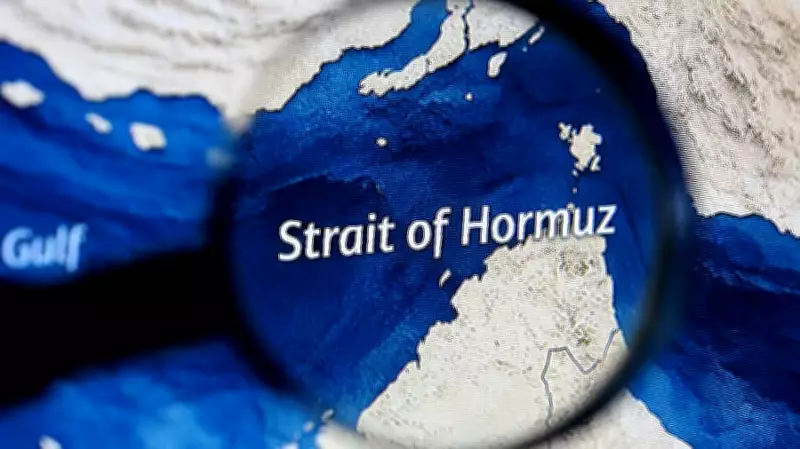
The ongoing conflict in West Asia is set to fundamentally reshape global energy investment strategies, according to a new report from the International Energy Agency (IEA). The Paris-based organization, in its latest World Energy Investment 2026 report, highlights that growing concerns over energy security and the reliability of global trade routes are accelerating moves toward diversification of energy sources and infrastructure.
Key Findings of the IEA Report
The IEA report emphasizes that the West Asia conflict has exposed vulnerabilities in the global energy system, particularly in oil and gas supply chains. This has prompted governments and companies to rethink their investment priorities. The agency notes that energy security concerns are now a primary driver of investment decisions, alongside traditional factors such as cost and environmental goals.
Shift Toward Diversification
One of the most significant trends identified in the report is the accelerated push for diversification. Countries are increasingly investing in a mix of energy sources, including renewables, nuclear, and domestic fossil fuels, to reduce dependence on imports from volatile regions. The IEA points out that this shift is not limited to energy-importing nations but also affects exporters seeking to secure their revenue streams.

Infrastructure Investments on the Rise
The report also highlights a surge in investments aimed at strengthening energy infrastructure. This includes new pipelines, liquefied natural gas (LNG) terminals, and electricity grid interconnections designed to enhance resilience. The IEA estimates that global energy investment in 2026 will reach unprecedented levels, driven largely by these security-related projects.
Implications for Global Markets
The IEA warns that the reshaping of investment strategies could have lasting effects on global energy markets. Higher investments in diversification may lead to a more fragmented energy system, with regional blocs forming around shared infrastructure. Additionally, the report notes that while renewable energy continues to grow, the conflict has also spurred investment in conventional energy sources as a hedge against supply disruptions.
Overall, the IEA's analysis underscores that the West Asia conflict is acting as a catalyst for a fundamental reorientation of global energy investment, with long-term implications for energy security, market dynamics, and the transition to a low-carbon economy.