

India's Strategic Economic Pivot Towards the West Gains Momentum
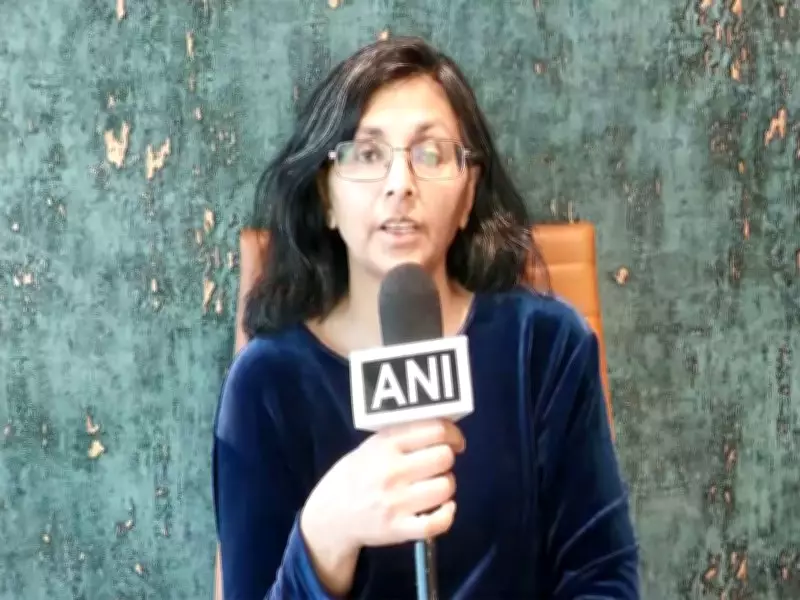
In a significant development highlighting global economic dynamics, Nisha Biswal, the Deputy Chief Executive Officer of the US International Development Finance Corporation (DFC), has underscored India's bold and strategic move to align its economy more closely with Western nations. This alignment is seen as a pivotal shift in India's foreign and economic policy, aimed at fostering deeper trade relationships and investment flows.
Nisha Biswal's Insights on India-US Trade Relations
Biswal, a key figure in US international development efforts, emphasized that India is actively pursuing economic partnerships with the West, particularly through initiatives like the proposed India-US trade deal. She noted that this move reflects India's growing confidence on the global stage and its desire to integrate into Western economic frameworks, which could unlock new opportunities for growth and innovation.
The discussion around this economic alignment comes at a time when global trade patterns are evolving, with nations seeking to diversify their economic ties amidst geopolitical uncertainties. India's approach, as highlighted by Biswal, involves not just trade agreements but also enhanced cooperation in areas such as technology, infrastructure, and sustainable development.

Implications for India's Economic Future
This strategic pivot is expected to have far-reaching implications for India's economy. By aligning more closely with Western economies, India aims to:
- Boost exports and attract foreign direct investment from key Western markets.
- Strengthen its position in global supply chains, reducing dependencies on other regions.
- Foster innovation through partnerships in cutting-edge sectors like artificial intelligence, renewable energy, and digital infrastructure.
Biswal's comments highlight the mutual benefits of such alignment, suggesting that Western nations, including the United States, stand to gain from India's vast market, skilled workforce, and growing technological prowess. This synergy could lead to more balanced and resilient global economic networks.
Challenges and Opportunities Ahead
While the move towards Western economic alignment presents numerous opportunities, it also comes with challenges. India must navigate complex trade negotiations, address regulatory differences, and ensure that domestic industries are competitive on a global scale. However, with leaders like Nisha Biswal advocating for stronger ties, the prospects for successful partnerships appear promising.
In conclusion, India's bold economic alignment with the West, as discussed by US DFC Deputy CEO Nisha Biswal, marks a transformative phase in the country's international relations. This strategic shift is poised to reshape trade dynamics, drive economic growth, and position India as a key player in the global economy of the future.






