

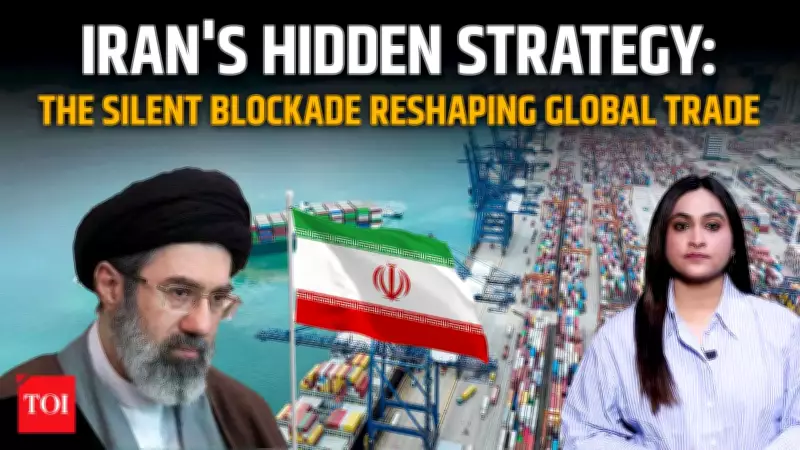
Iran's Calculated Shift in Global Power Dynamics
This is no longer merely a regional conflict—it represents a deliberate and strategic transformation in how influence is exerted in the contemporary global landscape. Iran has decisively moved away from reliance on direct military confrontation or large-scale warfare. Instead, the nation is methodically reshaping international trade dynamics through a sophisticated approach centered on control, unpredictability, and selective access.
Controlled Access to Critical Maritime Corridors
Following a significant leadership transition, Tehran has acted swiftly to assert dominance over one of the world's most vital maritime passageways. Rather than imposing a complete blockade, Iran has implemented a regulated system that permits limited passage to allied nations while effectively constraining others. This is not random disruption; it is a precise and calculated maneuver designed to maximize influence with minimal overt aggression.
The Core of Asymmetric Warfare Strategy
At the heart of this strategy lies asymmetric warfare. Iran does not require massive naval fleets or continuous assaults to dominate the situation. Through concealed missile systems, mobile launch platforms, and cost-effective drone technology, Tehran has cultivated an environment where threats are both unpredictable and omnipresent. The primary objective is not outright destruction but rather to instill hesitation. Every operational decision by opposing forces now carries substantial and immediate risk.

Challenges for the United States and Allied Forces
For the United States and its coalition partners, reopening these critical maritime routes is an exceptionally complex undertaking. The operational theater is highly fluid, response windows are extremely narrow, and threats can materialize without any prior warning. Even a single, minor disruption has the potential to nullify extensive military efforts. This persistent uncertainty has already compelled numerous global shipping corporations to reduce or suspend operations, thereby intensifying pressure on international supply chains and energy markets worldwide.
Broader Implications for Global Trade and Security
The ramifications of Iran's strategy extend far beyond immediate regional tensions. By leveraging controlled access and asymmetric tactics, Tehran is effectively rewriting the rules of engagement in global trade corridors. This approach allows Iran to project power and influence without triggering a full-scale military response, creating a new paradigm where economic leverage and strategic patience become primary tools of statecraft. The international community now faces the challenge of adapting to this nuanced form of geopolitical maneuvering, where traditional military responses may prove inadequate or counterproductive.






