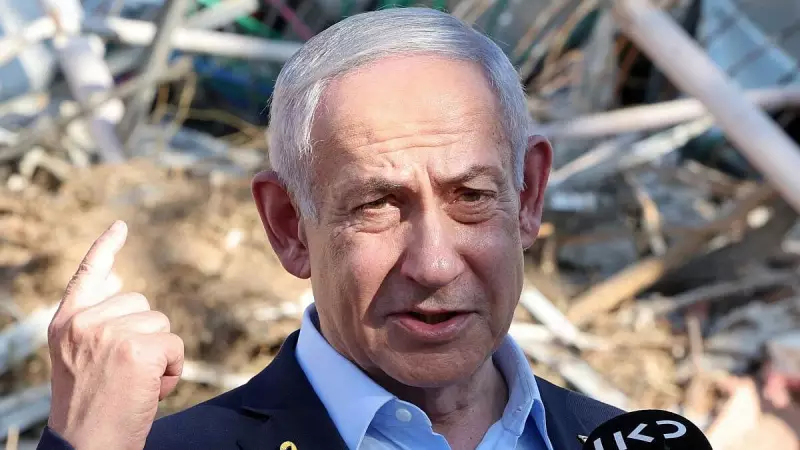
In a significant move for regional energy cooperation, the Israeli government has formally approved a major agreement to supply natural gas from its offshore fields to Egypt. The deal, announced by Prime Minister Benjamin Netanyahu, solidifies a growing economic partnership between the two nations and enhances Egypt's role as a key energy hub.
Cabinet Greenlights Landmark Energy Agreement
The Israeli security cabinet gave its final nod to the natural gas export deal with Egypt on a recent Sunday. This approval was the last procedural step required, following earlier endorsements from other governmental bodies. Prime Minister Netanyahu hailed the decision, stating it would bring substantial economic benefits to the state of Israel.
The core of the agreement involves the sale of natural gas from Israel's Tamar offshore gas field to Egypt. The Tamar field, located in the Mediterranean Sea, is a cornerstone of Israel's domestic energy supply and its growing export ambitions. This pact builds upon existing frameworks and is seen as a deepening of the energy interdependence between Cairo and Jerusalem.

Strategic and Economic Implications
This agreement carries weight far beyond a simple commercial transaction. It represents a strengthening of diplomatic and economic ties between Israel and Egypt, whose peace treaty has long been a pillar of regional stability. For Egypt, the imported Israeli gas will bolster its own energy resources, supporting its goal of becoming a major regional liquefied natural gas (LNG) exporter.
For Israel, the deal opens a stable and significant revenue stream. The exports are expected to generate billions of dollars for the Israeli economy over the coming years, funding national development projects. Netanyahu emphasized that the income from this deal would be used for the benefit of all Israeli citizens, pointing to its broad national importance.
The development also underscores the evolving energy landscape of the Eastern Mediterranean region. With substantial gas discoveries in recent years, countries like Israel, Egypt, and Cyprus are increasingly collaborating to monetize these resources and supply European markets seeking to diversify away from Russian gas.
A Foundation for Future Cooperation
Analysts view this finalized deal as more than just a one-off sale. It establishes a framework for long-term energy partnership. The infrastructure and contracts put in place will facilitate future transactions and potentially pave the way for joint ventures in exploration and production.
The approval signals confidence from both governments in the durability of their relationship. In a volatile region, such concrete economic partnerships add a layer of resilience to diplomatic relations. The flow of natural gas through pipelines under the Mediterranean Sea physically links the two nations' economies, creating mutual interest in continued stability and cooperation.
With this cabinet approval, the Israel-Egypt gas deal moves from negotiation to implementation. It stands as a testament to the practical outcomes of the Abraham Accords era, where economic integration is being pursued as a path to broader regional peace and prosperity. The eyes of the global energy market will now be on how this corridor develops and influences gas flows to Europe and beyond.