Middle East Conflict Fuels US Economic Strain as Fuel Costs Soar Nationwide
As tensions in the Middle East continue to escalate, the ripple effects are extending far beyond the immediate conflict zone, profoundly impacting daily economic activities across the United States. Rising fuel costs, triggered by the ongoing war against Iran, are now permeating everyday life, quietly reshaping business operations and consumer spending patterns. What originated as a geopolitical flashpoint is rapidly evolving into a significant economic pressure point, with transportation expenses climbing steadily and corporations adjusting their pricing strategies to cope.
Sharp Fuel Price Increases Documented
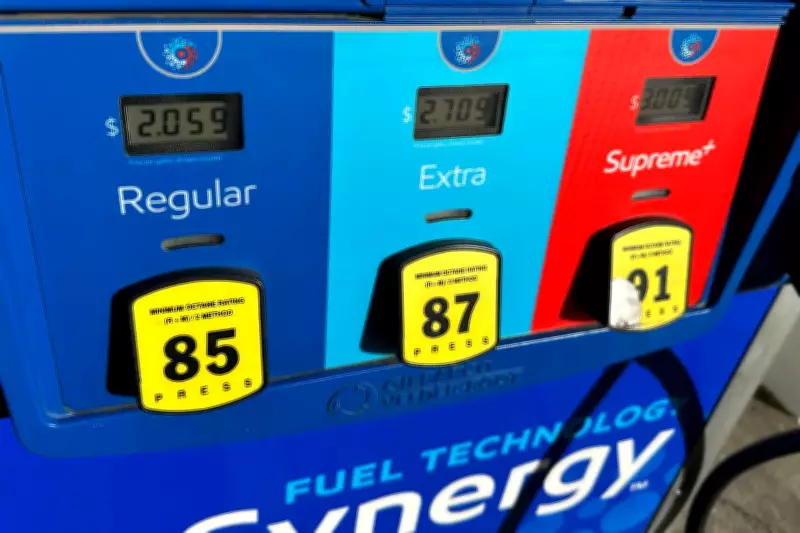
Petrol prices have surged dramatically, reaching $4.09 per gallon on Friday. This represents an increase of more than one dollar compared to pre-conflict levels and marks the highest price point since August 2022. Diesel has experienced an even more pronounced rise, jumping from $3.64 per gallon a year ago to $5.53 per gallon, according to data from the American Automobile Association (AAA). The diesel surge carries particular weight given its extensive utilization in critical sectors such as agriculture, construction, and transportation, as reported by PTI.
Corporate Responses to Mounting Costs
In response to these escalating expenses, companies across various industries have begun transferring the financial burden to consumers and partners. Amazon has announced it will implement a 3.5% fuel surcharge on third-party sellers effective April 17. Airlines have similarly initiated increases in checked baggage fees to offset fuel-related expenditures. The US Postal Service has proposed introducing a temporary surcharge, planning to apply an 8% fuel fee on package and express mail deliveries. This proposal, pending approval from the Postal Regulatory Commission, would take effect on April 26 and remain in place until January 17, 2027.

Expert Warnings and Economic Projections
Economists and analysts are expressing heightened concern about the broader economic implications if the conflict persists. Rachel Ziemba, a New York-based analyst specializing in geopolitical risk advisory for corporations, emphasized the global nature of these market disruptions in comments to The Washington Post. "I don't think the US will avoid it. These are global markets," she stated, noting that expert apprehension has intensified significantly in recent weeks.
Austan Goolsbee, president of the Federal Reserve Bank of Chicago, warned CBS about potential inflationary consequences. "If transportation costs start rising, it's going to bleed through in other prices," he explained. "So I think it's in the near term, but not immediate, that you would start to see that weighing down of the consumer — they would just get sticker shock. People were already highly concerned about affordability and the cost of living, and this would just be piling onto it."
Supply Chain Disruptions and Regional Impacts
At the core of these economic disturbances lies the blockage of the Hormuz Strait, which has already removed hundreds of millions of barrels of oil from global supply according to a JPMorgan client note cited by The Washington Post. The impact is unfolding in distinct phases based on shipping durations from the Persian Gulf:
- Asian nations have been the first to experience supply shortfalls, with governments implementing rationing and conservation measures.
- Europe is projected to encounter physical shortages by mid-April as the final shipments dispatched before the conflict arrive at ports.
- The United States will likely experience delayed effects due to longer transit times of 35 to 45 days.
While elevated prices are anticipated nationwide, refined fuel product shortages from late April or May are expected to remain largely confined to California. This regional limitation stems from California's geographical isolation from the country's broader fuel distribution network, as detailed in the JPMorgan analysis.

Long-Term Economic Implications
The broader economic consequences could deepen substantially if Middle East hostilities continue, with supply chain pressures expected to accumulate over time. The interconnected nature of global markets ensures that geopolitical disruptions in one region inevitably transmit economic shocks worldwide, affecting everything from consumer goods pricing to industrial production costs. As businesses and households adapt to this new reality of elevated energy expenses, the fundamental dynamics of economic activity in the United States may undergo lasting transformation.