OPEC+ Approves Oil Production Increase Amid Supply Concerns
In a significant move, the OPEC+ alliance has agreed to raise oil production quotas for the second month in a row, while issuing stark warnings about the potential for prolonged disruptions to global energy supplies due to ongoing conflicts. The decision, reported by AFP, underscores the delicate balance between boosting output and addressing security risks in volatile regions.
Details of the Production Hike
The oil cartel has decided to increase output quotas by 206,000 barrels per day (bpd) starting in May. This adjustment has garnered support from key producers, including Russia, Saudi Arabia, and several Gulf nations. However, OPEC+ emphasized that repairing energy facilities damaged in conflict zones is a costly and time-consuming process, which could exacerbate volatility in global oil markets.
The group also highlighted the critical importance of safeguarding international maritime routes to ensure uninterrupted energy flows. While the statement did not explicitly mention the Iran war, the ongoing conflict has had a profound impact on global energy markets, contributing to a sharp rise in oil prices.

Impact of Regional Conflicts on Energy Infrastructure
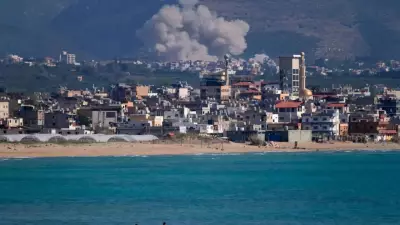
Since February 28, when the United States and Israel launched strikes on Iran, Tehran has retaliated by targeting locations across the region, including key energy infrastructure. Iran has also effectively halted shipping through the Strait of Hormuz by threatening to attack tankers passing without permission, severely restricting exports from the Gulf region.
Before the conflict, nearly one-fifth of global oil and liquefied natural gas (LNG) shipments passed through the Strait, making it a critical artery for global energy trade. This disruption has raised concerns over whether increased production by OPEC+ members can translate into actual supply reaching global markets.
Additional Complications from Other Conflicts
Meanwhile, Ukraine has been targeting Russian oil facilities as part of its ongoing conflict with Moscow, further complicating global supply dynamics. These actions add another layer of uncertainty to an already fragile energy landscape.
Previous Actions and Warnings from the V8 Group
Last month, the eight-member Voluntary Eight (V8) group within OPEC+ also raised production quotas by 206,000 bpd. In its statement, the V8 warned that any actions undermining energy supply security, whether through attacks on infrastructure or disruption of international maritime routes, increase market volatility and complicate efforts to manage global oil prices.
The V8 group, comprising Saudi Arabia, Russia, Iraq, the United Arab Emirates, Kuwait, Kazakhstan, Algeria, and Oman, acknowledged members that managed to find alternative export routes, noting that such efforts have helped reduce market volatility.
Overall, while OPEC+ aims to stabilize markets with increased production, the persistent threats to energy infrastructure and supply chains pose significant challenges to global energy security and price stability.