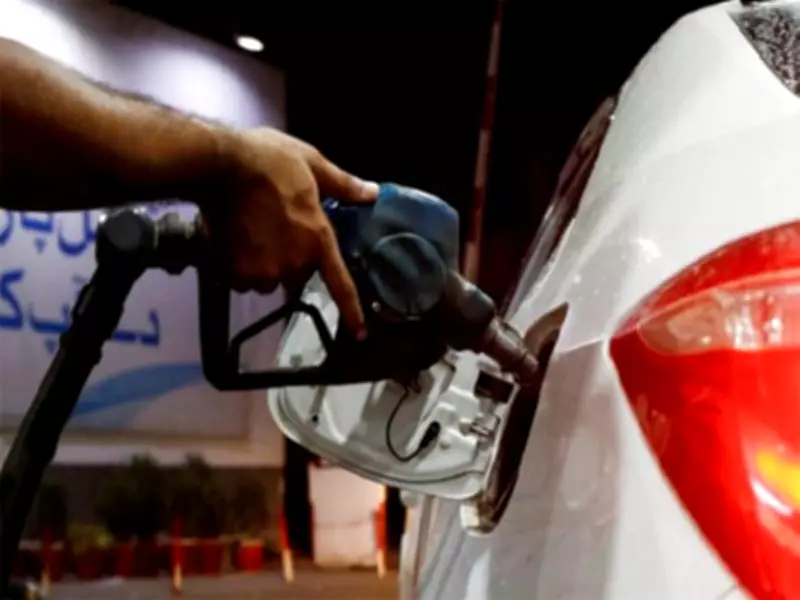
Pakistan Announces Significant Increase in Fuel Prices
The government of Pakistan has implemented a substantial rise in fuel prices, a move that is expected to impact transportation costs and inflation across the country. This decision comes as part of ongoing economic adjustments in response to global market dynamics.
Details of the Price Adjustments
Effective immediately, the price of diesel has been increased by PKR 7.32 per litre, while petrol prices have been raised by PKR 5 per litre. This adjustment reflects the latest trends in international oil markets and aims to align domestic prices with global benchmarks.
Economic Context and Implications
The hike in fuel prices is likely to have widespread effects on the Pakistani economy. Key areas that may be impacted include:

- Transportation costs: Higher fuel prices typically lead to increased fares for public and private transport.
- Inflation: As fuel is a critical input for many industries, this increase could contribute to rising prices for goods and services.
- Consumer spending: Households may face higher expenses, potentially reducing disposable income for other purchases.
Government officials have cited the need to manage fiscal pressures and reduce subsidies as reasons for the price adjustment. This move is part of broader economic reforms aimed at stabilizing the country's finances.
Global and Regional Factors
Pakistan's decision aligns with similar trends in other countries facing volatile oil prices. The global energy market has experienced fluctuations due to geopolitical tensions and supply chain disruptions, influencing domestic pricing policies worldwide.
In the South Asian region, fuel price adjustments are common as governments balance economic stability with market realities. This hike underscores the challenges faced by Pakistan in managing its energy sector amid external pressures.
Observers note that while such increases can strain public finances, they are often necessary to prevent larger economic imbalances. The government has emphasized transparency in communicating these changes to the public.