

Russia's Energy Revenues Skyrocket Amid Iran Conflict-Driven Oil Market Turmoil
Russia is experiencing an unprecedented surge in energy revenues as the ongoing conflict involving Iran sends shockwaves through global oil markets. According to recent estimates, President Vladimir Putin's administration is now earning a staggering at least $760 million per day from oil and gas exports, marking a significant financial windfall for the nation.
Monthly Revenue Projections Nearly Double to $24 Billion
The Kyiv School of Economics (KSE) Institute has released analysis indicating that Russia's monthly energy revenues could potentially nearly double from approximately $12 billion to $24 billion. This dramatic increase is primarily driven by two key factors: a substantial spike in global oil prices and temporary sanctions relief that was granted by former U.S. President Donald Trump, as reported by Telegraph UK.
Annual Projections Show Massive Increases Over Pre-War Estimates
Even if the current Middle Eastern conflict shows signs of easing in the coming weeks, Russia's projected oil and gas income for this year is expected to reach $218.5 billion — representing an increase of about 63% higher than pre-war estimates. In a scenario where the conflict becomes more prolonged, potentially lasting up to six months, these revenues could climb even higher to reach as much as $386.5 billion.

Putin Directs Windfall Toward Domestic Debt Reduction
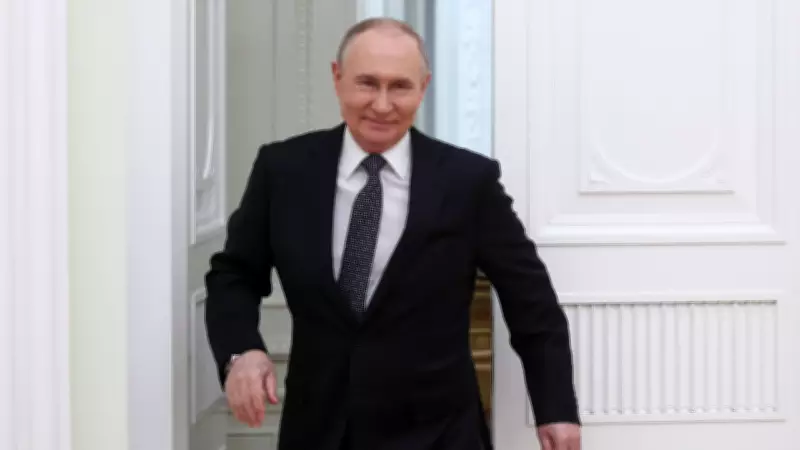
During a recent Kremlin meeting, President Putin explicitly urged Russian energy companies to channel these substantial windfall gains into reducing domestic debt, characterizing this approach as a "mature decision" for the nation's economic stability and future planning.
Global Energy Markets in Upheaval Following Hormuz Disruption
The remarkable revenue gains come amid significant upheaval in global energy markets following Iran's disruption of shipments through the strategically vital Strait of Hormuz. Since the conflict began, benchmark Brent crude oil prices have jumped approximately 38% to around $100 per barrel, reflecting the market's nervous response to regional instability.
Russian Oil Prices Outpace Global Benchmarks
Interestingly, Russian oil prices have risen even more dramatically than global benchmarks, with KSE analysts reporting price increases of about 72% since the conflict escalation. This differential performance highlights the unique market position Russia currently occupies amid the geopolitical tensions.
Temporary Sanctions Relief Alters Market Dynamics
A crucial factor in Russia's revenue surge has been Washington's decision to temporarily ease sanctions enforcement, allowing buyers to purchase previously restricted Russian oil shipments that were already at sea. This policy shift has effectively reduced the risks associated with such trades, creating more favorable conditions for Russian energy exports.
Russian Oil Now Selling at Near Global Market Prices
As a direct result of these changing market conditions, Russia is now selling its oil at or near global market prices, which has substantially narrowed — and in some cases completely reversed — the significant discounts it previously offered to major buyers such as India and China. This price normalization represents a major shift in the global energy trade landscape.
India's Russian Oil Imports Surge Sharply
Imports of Russian oil by India have increased sharply since the conflict began, reflecting the shifting dynamics of what analysts describe as a highly volatile global market. This increased purchasing activity demonstrates how nations are adjusting their energy procurement strategies in response to the changing geopolitical and economic landscape.

Iran's Strait of Hormuz Policies Add to Market Uncertainty
Adding further complexity to the situation, Iran has implemented selective access policies for the Strait of Hormuz, granting passage primarily to friendly nations while restricting others. The United Nations has issued warnings about the potential impact on global energy flows, and Iran has reportedly drafted legislation to establish a toll system that would charge ships for safe passage through the strategic waterway amid the ongoing conflict.





