

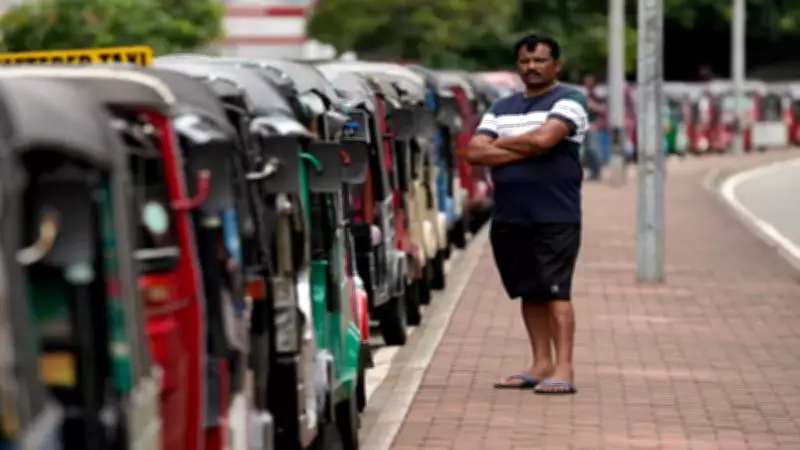
Sri Lanka, Nepal, and Bangladesh Implement Austerity Measures to Address Fuel Crisis
In response to a severe fuel crisis, South Asian nations including Sri Lanka, Nepal, and Bangladesh have rolled out a series of austerity measures aimed at conserving resources and stabilizing their economies. These countries are grappling with fuel shortages that have disrupted daily life and economic activities, prompting governments to take immediate action.
Sri Lanka's Approach to Fuel Conservation
Sri Lanka has introduced a reduced work week as part of its austerity strategy. The government has mandated a four-day work week for public sector employees, aiming to cut down on fuel consumption by reducing commuting and office energy use. This move is expected to alleviate pressure on the country's dwindling fuel reserves, which have been exacerbated by economic instability and foreign exchange shortages.
Additional measures in Sri Lanka include:

- Strict fuel rationing for private vehicles, with limits on weekly purchases.
- Promotion of remote work and digital services to minimize travel.
- Increased import restrictions on non-essential goods to preserve foreign currency for fuel imports.
Nepal's Response to Fuel Shortages
Nepal has also implemented austerity measures to tackle its fuel crisis, focusing on rationing and conservation. The government has enforced fuel quotas for both commercial and private use, with priority given to essential services such as healthcare and public transportation. This has led to long queues at petrol stations and heightened public concern over supply disruptions.
Key initiatives in Nepal involve:
- Limiting fuel sales to specific days based on vehicle registration numbers.
- Encouraging the use of alternative energy sources, such as solar power, to reduce dependency on imported fuel.
- Implementing stricter monitoring of fuel distribution to prevent hoarding and black-market activities.
Bangladesh's Austerity Measures Amid Economic Strain
Bangladesh is facing similar challenges, with fuel shortages impacting industrial production and transportation. The government has adopted austerity measures that include reducing office hours and promoting energy-efficient practices. These steps are part of a broader effort to manage the economic fallout from rising global fuel prices and domestic supply constraints.
In Bangladesh, the measures include:
- Cutting non-essential government expenditures to redirect funds toward fuel imports.
- Implementing fuel-saving campaigns in public and private sectors to raise awareness about conservation.
- Exploring bilateral agreements with fuel-exporting countries to secure more stable supplies.
Regional Impact and Future Outlook
The fuel crisis in Sri Lanka, Nepal, and Bangladesh highlights broader economic vulnerabilities in South Asia, driven by factors such as global market fluctuations, geopolitical tensions, and internal financial mismanagement. While austerity measures provide short-term relief, experts warn that long-term solutions require structural reforms, investment in renewable energy, and improved fiscal policies.
These countries' efforts underscore the urgent need for regional cooperation and innovative strategies to mitigate the impact of fuel shortages on their populations and economies. As the situation evolves, continued monitoring and adaptive measures will be crucial for stability and recovery.






