

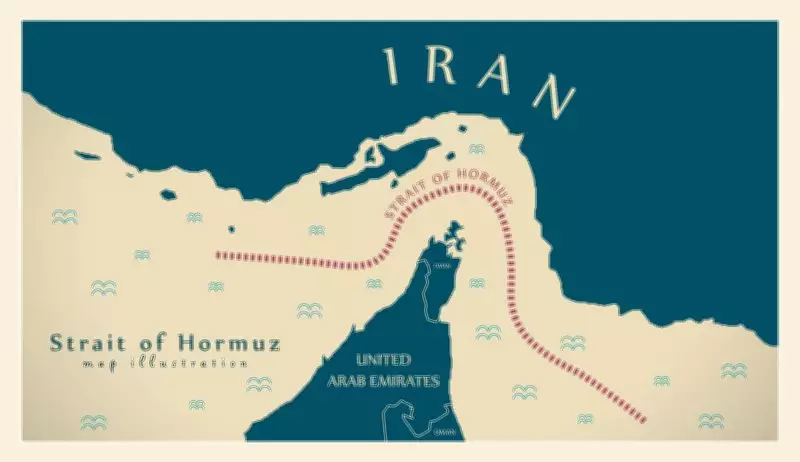
The Strait of Hormuz: A Vital Artery for Global Oil and Geopolitics
The Strait of Hormuz is a narrow maritime passage located between the Persian Gulf and the Gulf of Oman, serving as a critical gateway for international oil shipments. This strategic waterway is approximately 21 nautical miles wide at its narrowest point, making it one of the world's most significant chokepoints for energy transport. Its importance stems from its role in facilitating the flow of crude oil and liquefied natural gas (LNG) from major producers in the Middle East to global markets.
Why the Strait of Hormuz Is Crucial for Global Oil Supply
The strait's significance is underscored by its immense volume of oil traffic. It handles about 20% of the world's total oil consumption, translating to roughly 21 million barrels per day of crude oil and refined products. Key oil-exporting nations such as Saudi Arabia, Iran, the United Arab Emirates, Kuwait, and Iraq rely heavily on this route to ship their resources. Any disruption in the strait can lead to spikes in global oil prices, affecting economies worldwide and highlighting its role in energy security.
Geopolitical Tensions and Strategic Importance
Beyond its economic impact, the Strait of Hormuz is a geopolitical flashpoint due to its location in a region marked by conflicts and rivalries. Iran, which controls the northern side of the strait, has historically used its position to exert influence, including threats to close the waterway during tensions with other nations. This has led to increased military presence by global powers, such as the United States, to ensure freedom of navigation and protect trade routes. The strait's vulnerability to blockades or attacks makes it a focal point in international diplomacy and security discussions.

Historical Context and Recent Developments
Historically, the strait has been a site of maritime incidents and conflicts, including tanker attacks and naval standoffs, which have underscored its fragility. In recent years, tensions have escalated due to factors like U.S.-Iran relations, regional proxy wars, and disputes over nuclear programs. These events highlight how the strait's stability is intertwined with broader geopolitical dynamics, influencing global energy policies and trade agreements.
Implications for India and Global Trade
For countries like India, which imports a significant portion of its oil from the Middle East, the Strait of Hormuz is essential for energy security. Disruptions could lead to supply shortages and economic instability, prompting nations to diversify their energy sources and invest in alternative routes. The strait's importance extends beyond oil, as it also facilitates the transport of LNG and other goods, making it a linchpin in global maritime trade networks.
In summary, the Strait of Hormuz is more than just a waterway; it is a strategic chokepoint that shapes global energy markets and geopolitical relations. Its continued significance underscores the need for international cooperation to ensure its security and stability in an increasingly interconnected world.






