

Suez and Panama Canals: Gateways to Global Commerce and Historical Memory
The Suez and Panama Canals stand as monumental achievements in human engineering, forever altering the course of global trade and maritime history. These artificial waterways have not only shortened shipping routes but also become symbols of geopolitical power and economic influence. Their construction, marked by immense challenges and triumphs, continues to evoke a flood of memories and lessons for contemporary society.
Historical Significance and Engineering Marvels
The Suez Canal, completed in 1869, connects the Mediterranean Sea to the Red Sea, effectively bridging Europe and Asia without the need to circumnavigate Africa. This 193-kilometer waterway reduced travel distance by approximately 7,000 kilometers, revolutionizing international trade. Similarly, the Panama Canal, opened in 1914, links the Atlantic and Pacific Oceans, cutting through the Isthmus of Panama and saving ships from the perilous journey around South America's Cape Horn.
Both projects involved staggering human effort and innovation. The Suez Canal, led by French diplomat Ferdinand de Lesseps, utilized manual labor and early machinery, while the Panama Canal faced hurdles like tropical diseases and complex lock systems, ultimately overseen by the United States after initial French failures. These endeavors highlight the intersection of ambition, technology, and perseverance in shaping global infrastructure.

Geopolitical Dynamics and Economic Impact
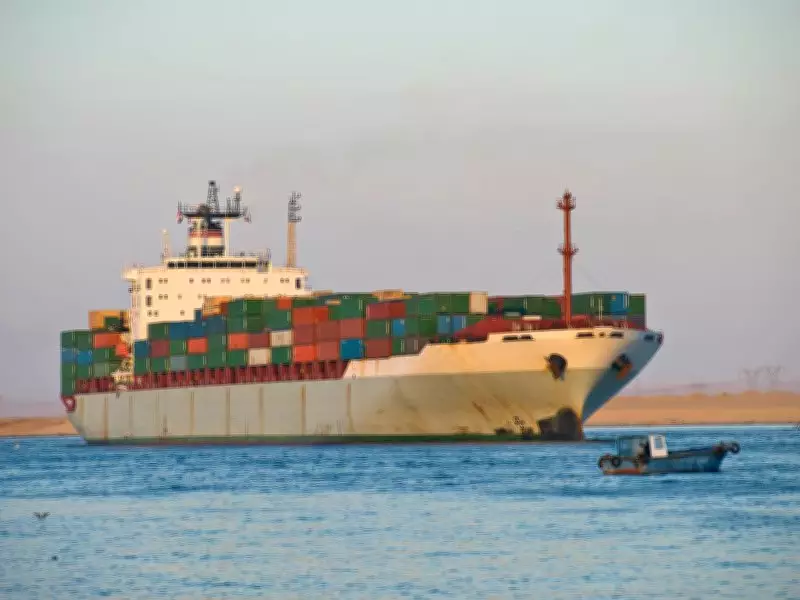
The strategic importance of these canals cannot be overstated. They serve as critical chokepoints in global supply chains, influencing trade flows and energy markets. For instance, the Suez Canal handles about 12% of world trade, including a significant portion of oil shipments, making it a focal point for international relations. The 2021 Ever Given blockage underscored its vulnerability, causing disruptions worth billions and highlighting reliance on such narrow passages.
In the case of the Panama Canal, expansions completed in 2016 allowed larger "Neopanamax" vessels to transit, boosting capacity and reinforcing its role in connecting East Asia with the U.S. East Coast. Both canals have been central to geopolitical maneuvers, from colonial rivalries to modern-day negotiations, affecting nations' economic policies and diplomatic strategies.
Environmental and Social Considerations
Beyond trade, these canals pose environmental challenges. The Suez Canal has facilitated the migration of invasive species between the Mediterranean and Red Sea, impacting local ecosystems. Meanwhile, the Panama Canal's water supply, reliant on Gatun Lake, faces threats from climate change and droughts, prompting calls for sustainable management practices.
Socially, the canals have shaped regional identities and labor histories. The construction of the Panama Canal, for example, involved workers from the Caribbean and beyond, leaving a lasting cultural imprint. Today, both waterways are tourist attractions and sources of national pride, with museums and memorials preserving their legacies for future generations.
Future Prospects and Global Relevance
As global trade evolves, the Suez and Panama Canals continue to adapt. Investments in digitalization and security aim to enhance efficiency and resilience against disruptions. Alternative routes, such as the Arctic passage or proposed canals in Nicaragua, pose competitive pressures, yet the established infrastructure of Suez and Panama ensures their enduring relevance.
In conclusion, the Suez and Panama Canals are more than mere shortcuts; they are living testaments to human ingenuity and interconnectedness. Their stories remind us of the delicate balance between progress and preservation, urging a thoughtful approach to managing these vital arteries of the world economy.






