

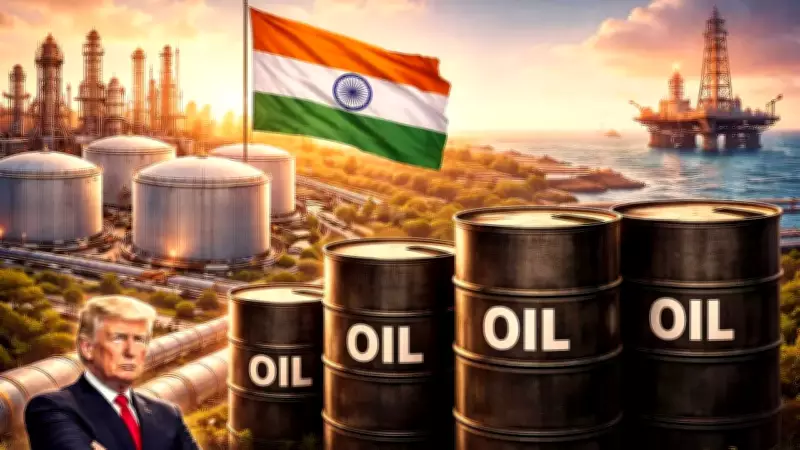
US Conditions Russian Oil Sanctions Relief on India Amid Global Supply Crisis
As the world economy grapples with a severe oil supply shock, the Donald Trump administration has reportedly signaled to European nations that any relaxation of sanctions on Russian crude oil would be specifically linked to shipments destined for India. This development comes amid escalating tensions in the Middle East, including attacks on the UAE embassy in Iraq and Hezbollah drone strikes targeting Israel, which have disrupted commercial LPG supplies and threatened hotel operations in major cities.
Trump's Proposal and US Stance on Sanctions
On Monday, President Donald Trump hinted that Washington might consider lifting certain oil-related sanctions to help mitigate rising prices, though he provided few details beyond mentioning a discussion with Russian President Vladimir Putin. According to a Bloomberg report, the United States has clarified to its European partners that any further easing of sanctions on Russian crude would be largely restricted to oil consignments headed for India. This message arrives as India has ramped up its purchases of Russian crude, compensating for Middle Eastern supplies hindered by the closure of the Strait of Hormuz.
India's Position on Russian Crude Oil Imports
The United States claims to have granted India a waiver for Russian oil cargoes already in transit. However, Indian officials have asserted that the country never ceased buying Russian crude and does not require permission from any external entity to make decisions regarding its energy security. Despite President Trump linking the removal of a proposed 25% penalty tariff in a potential trade deal to India allegedly halting Russian oil imports, New Delhi has continued these purchases unabated.

Officials told TOI that India has never needed approval to procure oil from Russia, noting that Moscow was the largest supplier of crude to India in February. They emphasized that energy procurement decisions are driven by national interest, with a government source stating, "We source crude from wherever supplies are available, competitively priced and deliverable, and we will continue to do so." Sources also indicated that the US announcement of a 30-day waiver for India was primarily aimed at a domestic audience.
G-7 Discussions and Global Oil Market Dynamics
During a G-7 finance ministers' conference call, the United States underscored that its decision regarding India was limited in both duration and scope, as confirmed by European Union Economy Commissioner Valdis Dombrovskis. He noted that the US does not expect a significant impact on Russian oil revenues from this move. People familiar with the deliberations added that any future sanction relief would likely follow a similarly narrow approach, with the final decision resting with President Trump.
Meanwhile, oil output reductions across the Middle East are intensifying, with activity in the strategically vital Strait of Hormuz nearly halted. This disruption pushed crude prices close to $120 per barrel on Monday. In a related development, Trump stated that the US and Israel are making progress in their military campaign against Iran, suggesting the conflict could end soon, which helped temper the earlier surge in oil prices.
Global Preparedness and Strategic Reserves
As hostilities persist, the G-7 countries affirmed on Monday their readiness to release oil from strategic reserves if necessary. However, some member states believe the situation has not yet reached the threshold for such action, according to insiders. This cautious stance reflects the complex interplay of geopolitical tensions, supply chain disruptions, and economic pressures shaping the global oil landscape.






