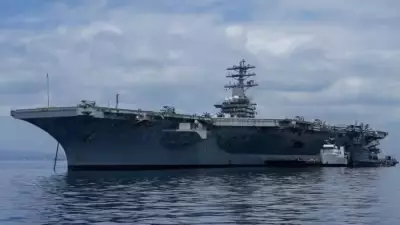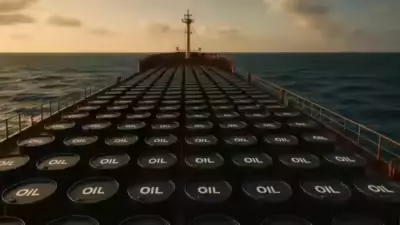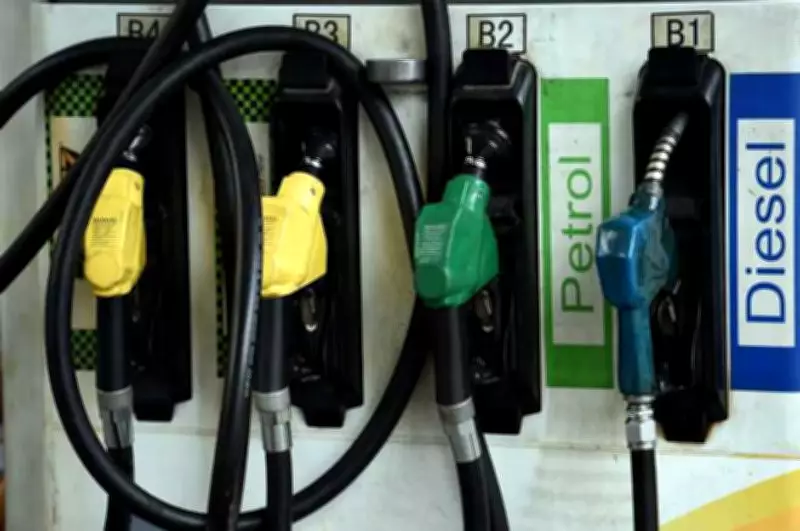
Kotak Mahindra Bank has cautioned that the ongoing conflict in West Asia could lead to a significant rise in prices in India. The warning comes amid escalating tensions in the region, which have already caused volatility in global oil markets. According to a report by the bank, the impact on India's economy could be substantial, given the country's heavy reliance on imported crude oil.
Potential Impact on Inflation
The bank's analysis suggests that a sustained increase in oil prices could push India's retail inflation above the Reserve Bank of India's (RBI) comfort zone. This would likely force the RBI to reconsider its monetary policy stance, potentially delaying interest rate cuts. The report highlights that every $10 per barrel rise in crude oil prices can increase India's current account deficit by about $15 billion.
Supply Chain Disruptions
Beyond oil, the conflict threatens to disrupt supply chains for various goods, including fertilizers and chemicals. India imports a significant portion of its fertilizers from the region, and any disruption could affect agricultural output and food prices. The bank noted that the war could also lead to higher transportation costs, further fueling inflation.

Government Measures
The government may need to take proactive steps to mitigate the impact. These could include releasing more oil from strategic reserves, reducing excise duties on fuel, and providing subsidies to vulnerable sectors. However, such measures could strain fiscal resources, especially if the conflict prolongs.
Global Economic Uncertainty
The report also underscores the broader global economic uncertainty stemming from the conflict. Higher oil prices could slow down growth in major economies, reducing demand for Indian exports. This dual shock of inflation and weaker external demand poses a challenge for policymakers.
In conclusion, Kotak Mahindra Bank advises that India must brace for potential price increases and prepare contingency plans to safeguard its economy. The situation remains fluid, and the full impact will depend on the duration and intensity of the West Asia war.