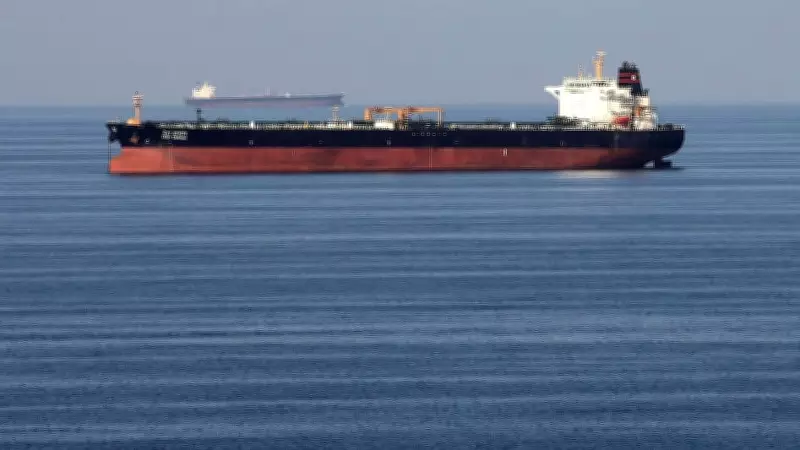
Tehran's throttling of the Strait of Hormuz in response to the U.S. and Israeli attacks launched on February 28 has fed fears of a catastrophic global energy crunch. However, the world has absorbed this historic oil supply loss, though depleted stocks now bring new risks, according to Reuters.
Immediate Impact of the Strait of Hormuz Throttling
The attacks on February 28 prompted Iran to restrict passage through the Strait of Hormuz, a critical chokepoint for global oil shipments. This led to an immediate loss of approximately 20 million barrels per day of crude oil and petroleum products, representing nearly 20% of global oil consumption. Analysts had warned that such a disruption could trigger a severe economic downturn.
How the World Absorbed the Supply Loss
Despite the severity of the disruption, the global oil market has managed to stabilize. Strategic petroleum reserves released by the United States, International Energy Agency members, and other major consumers helped fill the gap. The U.S. Department of Energy confirmed that 180 million barrels were drawn from the Strategic Petroleum Reserve between March and June 2026. Additionally, Saudi Arabia and other OPEC+ members ramped up production by 3 million barrels per day, while new supplies from Brazil and Guyana added another 1.5 million barrels per day.

Risks from Depleted Stocks
However, the massive drawdown of strategic reserves has left global inventories at critically low levels. The IEA reported that global commercial oil stocks fell to 2.5 billion barrels in June 2026, the lowest in over a decade. “The world has weathered the immediate storm, but the safety cushion is gone. Any further disruption could have severe consequences,” said Fatih Birol, IEA Executive Director. The risk of a price spike remains high, with Brent crude still hovering around $95 per barrel, up from $70 before the crisis.
Long-Term Implications for Energy Security
The crisis has underscored the vulnerability of global energy supply chains. Countries are now accelerating investments in renewable energy and alternative routes. The European Union announced a €200 billion plan to boost renewable capacity by 2030. Meanwhile, the U.S. is considering legislation to require oil companies to maintain minimum inventory levels. “This is a wake-up call. We cannot rely on a single chokepoint for global energy security,” said U.S. Energy Secretary Jennifer Granholm.
Conclusion
While the immediate crisis has passed, the depletion of strategic reserves leaves the global economy exposed. Continued geopolitical tensions in West Asia could lead to further disruptions, making energy diversification more urgent than ever.