

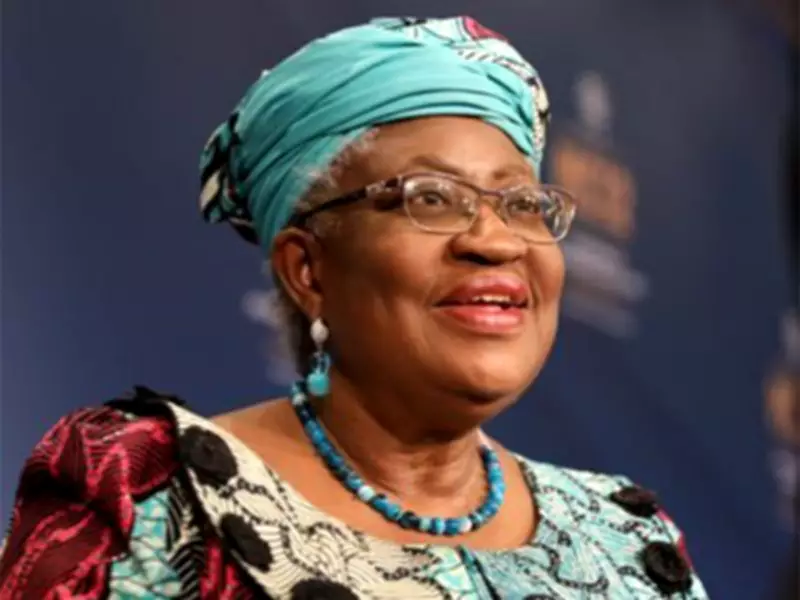
WTO Chief Highlights Uncertainty in Global Trade Amid Systemic Changes
At the 14th WTO ministerial conference held in Yaounde, Cameroon, WTO Director-General Ngozi Okonjo-Iweala delivered a stark message about the evolving global trade landscape. She emphasized that the multilateral trade system has undergone irreversible shifts, urging nations to focus on adaptation and reform for the future.
Irreversible Changes in the Global Order
Ngozi Okonjo-Iweala stated clearly, "The world order and multilateral system we used to know has irrevocably changed. We will not get it back. We must look to the future." This declaration underscores the profound challenges facing the global trading system in today's complex geopolitical environment.
Despite these changes, Okonjo-Iweala pointed out that 72% of global trade still operates under WTO rules, highlighting the organization's ongoing relevance. She also acknowledged the growth in AI-related trade as a promising development amidst the uncertainty.

Key Risks and Challenges
The WTO chief raised significant concerns about several factors contributing to trade instability:
- Ongoing conflict in the Middle East, which poses risks to global supply chains and economic stability.
- Impact of US tariffs on nations worldwide, leading to increased uncertainty and potential trade disputes.
- Paralysis of the WTO's dispute settlement body, hindering the resolution of trade conflicts.
- Lack of transparency in subsidy notifications, with only 64 members filing for 2025, leaving 102 non-compliant.
Okonjo-Iweala explained, "Lack of transparency leads to lack of trust, and that breeds suspicions of unfairness and anti-competitive behaviors. This leads to mistrust and holds members back from agreeing to new rules and reforms."
Positive Developments and Future Steps
In a move toward greater cooperation, Okonjo-Iweala invited Turkey's trade minister, Omer Bolat, to address the conference. Bolat announced that Turkey had lifted its objection to a proposal aimed at boosting investment in developing countries, which will now be incorporated into the WTO framework.
This step signals progress in fostering collaboration within the global trade system. However, the future of the multilateral system remains uncertain as countries continue to navigate economic and geopolitical shifts. The WTO chief's call for reform and adaptation highlights the urgent need for collective action to address these challenges and ensure a stable trading environment for all nations.






