WTO Ministerial Meeting Ends Without Consensus, Key Agreements Expire
The second ministerial meeting of the World Trade Organization (WTO) in Africa concluded without any significant agreements, marking a critical setback for global trade governance. Member nations failed to extend the 28-year moratorium on e-commerce, potentially paving the way for new tariffs on digital downloads and streaming services worldwide. This development threatens to increase costs for consumers and businesses relying on digital platforms.
Public Health Safeguards Lapse Amidst Negotiation Deadlock
In a parallel blow to international cooperation, the freeze on non-violation complaints (NVCs) under the TRIPS Agreement expired for the first time since 1995. This expiration removes a key protection, allowing countries to file complaints with the WTO if they believe treaty provisions have been violated. Specifically, it could impact scenarios involving compulsory licensing norms, which are used to waive patent rights during health emergencies such as pandemics.
Reform Efforts Stall as Multilateral System Faces Risks
Discussions on reforming the WTO itself also reached an impasse, despite efforts by Director-General Ngozi Okonjo-Iweala to push for decisions to be made in Geneva. No concrete timeframe was established for these reforms, leaving the multilateral trading architecture in a state of uncertainty. The collapse of talks highlights how entrenched national positions are undermining global cooperation, increasing the likelihood that bilateral trade deals will take precedence over multilateral agreements.

Key Disagreements Between Major Economies Derail Progress
Talks broke down early Monday, India time, primarily due to disagreements between the United States and Brazil over the extension of the e-commerce moratorium. The US advocated for a four-year freeze, while other nations proposed a two-year extension. Brazil sought to use the moratorium as leverage to push for broader liberalization of global trade rules, a move the US resisted given its current trade policy stance.
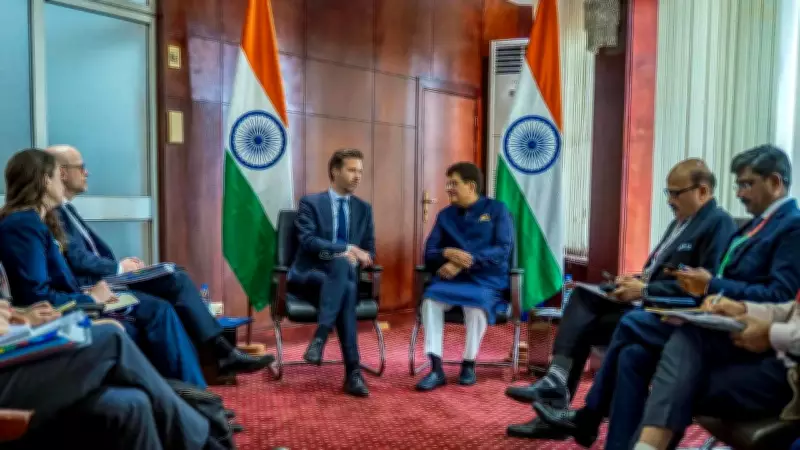
India played a pivotal role in the negotiations, blocking the inclusion of a China-driven investment facilitation proposal despite lacking support from other countries. Commerce and Industry Minister Piyush Goyal emphasized India's commitment to principles of openness, fairness, and inclusivity in a social media statement, noting that India will continue to engage constructively on critical global trade issues.
Implications for Global Trade and Digital Economy
The failure to reach agreements at this ministerial meeting signals a growing fragmentation in international trade relations. The end of the e-commerce moratorium could lead to:
- Increased tariffs on digital services, affecting streaming platforms and software downloads.
- Greater uncertainty for businesses operating across borders in the digital space.
- Enhanced risks for public health initiatives due to the lapse in TRIPS protections.
As countries increasingly turn to bilateral deals, the WTO's role as a central arbiter of global trade is under threat, necessitating urgent dialogue and compromise among member nations to restore stability and fairness in the international trading system.