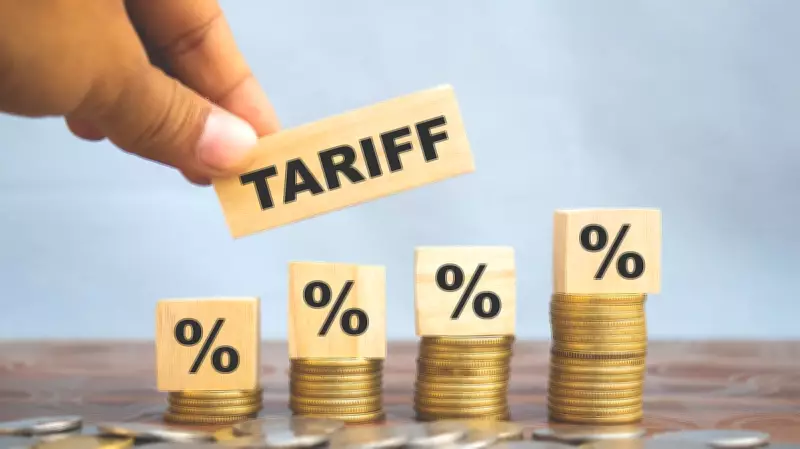
As the global economic landscape continues to shift, India finds itself bracing for fresh tariff headwinds emanating from Washington. The United States, under its evolving trade policy, has signaled a more protectionist stance, which could have significant implications for bilateral trade between the two nations. This development requires India to approach the ongoing trade agreement negotiations with heightened caution and strategic foresight.
Understanding the Shifting Tariff Stance
Washington's recent moves indicate a departure from previous trade liberalization efforts. The new tariff policies are aimed at protecting domestic industries, but they pose challenges for trading partners like India. Key sectors such as information technology, pharmaceuticals, and textiles could face increased barriers, impacting export revenues and economic growth.
Implications for India-US Trade Relations
The bilateral trade relationship, which has seen steady growth over the years, now faces uncertainty. India must carefully assess the potential impact of US tariffs on its economy. While both countries have expressed interest in a comprehensive trade agreement, the shifting stance in Washington calls for a more cautious approach from New Delhi.

- Export Competitiveness: Higher tariffs could erode the competitiveness of Indian exports in the US market, particularly in sectors where India has a comparative advantage.
- Investment Flows: Uncertainty over trade policies may deter US investments in India, affecting job creation and technology transfer.
- Strategic Autonomy: India must balance its trade interests with its strategic partnership with the US, ensuring that negotiations do not compromise its policy space.
Strategic Recommendations for India
To navigate these headwinds, India should adopt a multi-pronged strategy. First, it must strengthen its domestic manufacturing base to reduce dependence on exports. Second, it should diversify its export markets to mitigate risks from US tariffs. Third, India should leverage its strengths in services and digital trade to push for a balanced agreement.
Negotiating with Caution
The ongoing trade negotiations must be handled with prudence. India should seek binding commitments from the US to prevent arbitrary tariff hikes. Additionally, it should use dispute settlement mechanisms effectively to address any unfair trade practices. A transparent and predictable trade environment is essential for long-term economic cooperation.
In conclusion, while the US remains a vital trade partner, India must brace for fresh tariff headwinds by negotiating with caution and safeguarding its economic interests. The evolving trade dynamics require a proactive and strategic approach to ensure that the bilateral relationship remains mutually beneficial.