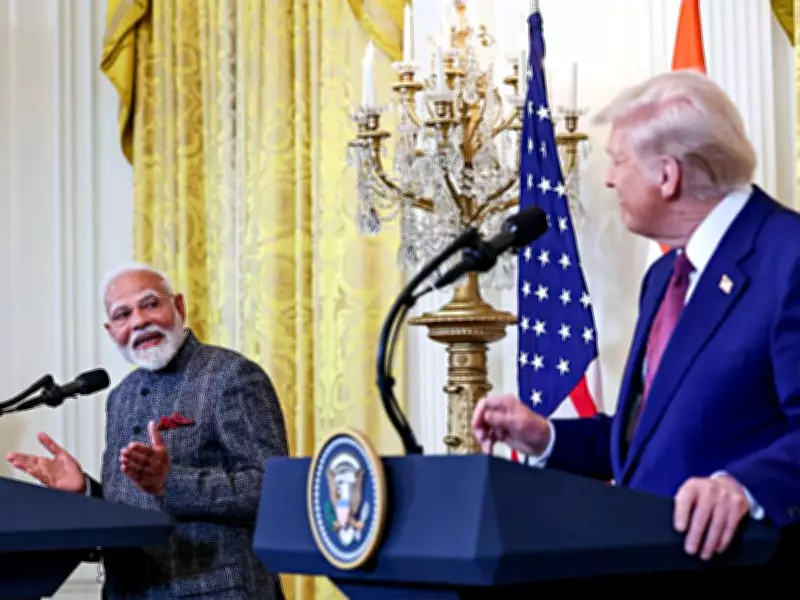
In a significant development for international commerce, industry experts have widely lauded the recent India-US trade deal, describing it as a win-win scenario for both economies and their respective markets. This landmark agreement is seen as a strategic move that strengthens bilateral ties while fostering global trade stability and growth.
Experts Hail the Deal as a Mutual Economic Boon
Leading analysts and trade specialists have expressed strong approval of the pact, emphasizing its potential to create a balanced and prosperous relationship between India and the United States. They highlight how the deal addresses key trade barriers, promotes fair competition, and opens up new opportunities for businesses on both sides.
Key Benefits for the Indian Economy
The trade agreement is expected to provide a substantial boost to India's economic landscape. Experts point to several advantages, including:

- Enhanced market access for Indian goods and services in the US, leading to increased exports and revenue.
- Strengthened investment flows, with US companies likely to expand operations in India, creating jobs and fostering innovation.
- Improved regulatory frameworks that simplify trade processes and reduce costs for Indian exporters.
Positive Impacts on US Markets and Industries
On the American side, the deal is projected to yield significant gains as well. Industry observers note that:
- US firms will gain better entry into India's rapidly growing consumer market, tapping into demand for high-quality products and technology.
- The agreement supports key US sectors such as agriculture, manufacturing, and digital services, enhancing their global competitiveness.
- It fosters a more predictable trade environment, reducing uncertainties and encouraging long-term partnerships.
A Win-Win for Global Trade Dynamics
Beyond bilateral benefits, experts underscore the deal's role in reinforcing global trade norms and cooperation. By setting a positive example, the India-US pact could inspire similar agreements worldwide, contributing to economic resilience and shared prosperity. The collaboration is also seen as a counterbalance to protectionist trends, promoting open markets and inclusive growth.
In summary, the industry consensus is clear: this trade deal represents a pivotal moment for India and the US, with far-reaching implications for their economies and the broader international market landscape. As implementation progresses, stakeholders remain optimistic about its transformative potential.