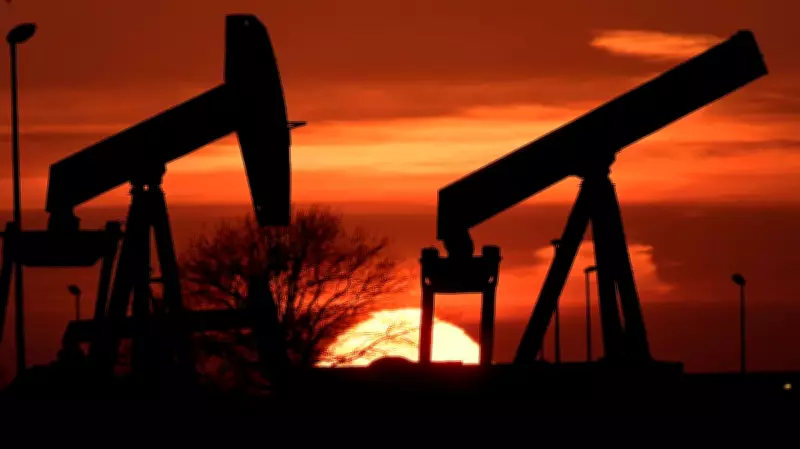
The United States, once a victim of the Arab oil embargo, has emerged as the world's top oil exporter. This remarkable transformation began after 2010, when oil and gas output from its shale formations soared. The US first became the world's top gas producer and then the world's top oil producer, fundamentally reshaping global energy markets.
The Arab Oil Embargo and US Vulnerability
In the 1970s, the Arab oil embargo exposed America's dependence on foreign oil. The embargo, imposed by Arab members of OPEC during the Yom Kippur War, caused severe fuel shortages and economic turmoil in the US. Gas lines, soaring prices, and a sense of vulnerability became defining features of the era. The US realized it needed to reduce its reliance on imported oil.
The Shale Revolution
The turning point came with the shale revolution. Advances in hydraulic fracturing and horizontal drilling unlocked vast reserves of oil and gas trapped in shale rock formations. The Bakken Shale in North Dakota, the Permian Basin in Texas and New Mexico, and the Marcellus Shale in the Appalachian region became epicenters of a production boom. By 2014, the US surpassed Saudi Arabia as the world's top oil producer, and by 2020, it became a net exporter of crude oil and petroleum products.

Impact on Global Markets
America's rise as an oil exporter has had profound effects. It has reduced the pricing power of OPEC, diversified global supply, and enhanced energy security for allies. The US now exports crude oil to Europe, Asia, and Latin America, with buyers ranging from South Korea to the Netherlands. This shift has also contributed to lower global oil prices and reduced geopolitical leverage of traditional oil exporters.
Challenges and Future Outlook
Despite its success, the US oil industry faces challenges. Environmental concerns over fracking and carbon emissions have led to regulatory pressures. The transition to renewable energy also poses long-term risks. However, for now, the US remains a dominant force in global oil markets, a far cry from its embargo-era vulnerability.