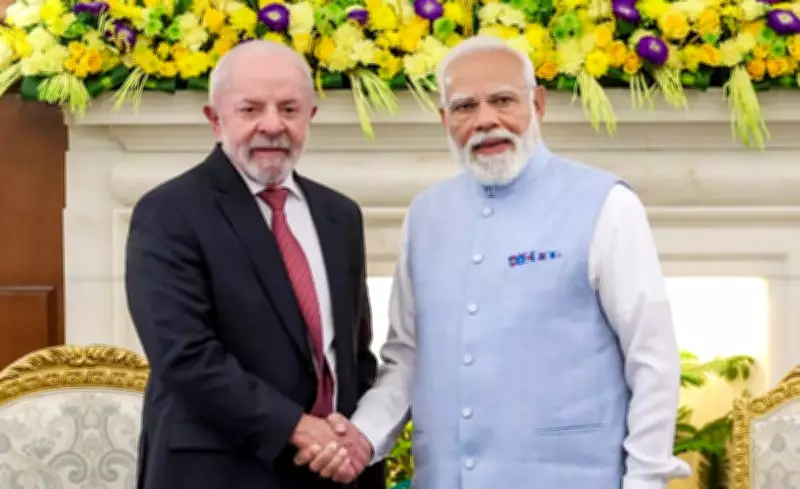
India and Brazil Forge Ambitious Trade Partnership
In a significant move to strengthen economic ties, India and Brazil have announced a bold target to elevate their bilateral trade to $20 billion within the next five years. This initiative marks a pivotal step in enhancing cooperation between two of the world's largest emerging economies, both members of the BRICS bloc, as they seek to diversify trade and reduce dependency on traditional markets.
Strategic Focus on Key Sectors
The partnership will concentrate on several high-potential sectors to achieve this ambitious goal. Agriculture is a primary area, with plans to increase the exchange of commodities such as soybeans, sugar, and coffee from Brazil, while India aims to export more rice, spices, and pharmaceuticals. Additionally, energy collaboration is set to expand, particularly in biofuels and renewable energy technologies, leveraging Brazil's expertise in ethanol production and India's growing solar and wind power capabilities.
Technology and innovation also play a crucial role, with both nations exploring joint ventures in information technology, cybersecurity, and digital infrastructure. This aligns with India's 'Digital India' initiatives and Brazil's efforts to modernize its tech landscape, fostering mutual growth in the digital economy.

Overcoming Trade Barriers
To facilitate this trade surge, India and Brazil are addressing existing challenges, including tariff reductions and streamlined customs procedures. Negotiations are underway to simplify regulatory frameworks, making it easier for businesses to operate across borders. Enhanced logistics and transportation links, such as improved air and sea connectivity, are also being prioritized to reduce costs and increase efficiency in trade flows.
Both countries are leveraging their membership in international forums like the World Trade Organization (WTO) to advocate for fair trade practices and remove non-tariff barriers. This collaborative approach aims to create a more conducive environment for investment and commerce, benefiting small and medium enterprises (SMEs) in particular.
Economic and Diplomatic Implications
This trade target is not just an economic endeavor but also a strategic diplomatic move. By deepening economic interdependence, India and Brazil aim to bolster their global influence and counterbalance trade tensions with other major economies. The partnership is expected to generate employment opportunities, stimulate innovation, and contribute to sustainable development goals in both nations.
Experts highlight that achieving the $20 billion mark could pave the way for further collaborations in areas like defense, space exploration, and cultural exchanges, strengthening the overall bilateral relationship. As both countries navigate post-pandemic recovery, this initiative serves as a catalyst for economic resilience and long-term prosperity.
In summary, the India-Brazil trade target represents a forward-looking commitment to mutual growth, with detailed plans and sectoral focus driving progress. Stakeholders from both sides are optimistic that with continued dialogue and cooperation, this ambitious goal is within reach, setting a benchmark for South-South cooperation in the global arena.