India-EU Free Trade Agreement: A Geopolitical Milestone with Critical Details to Monitor
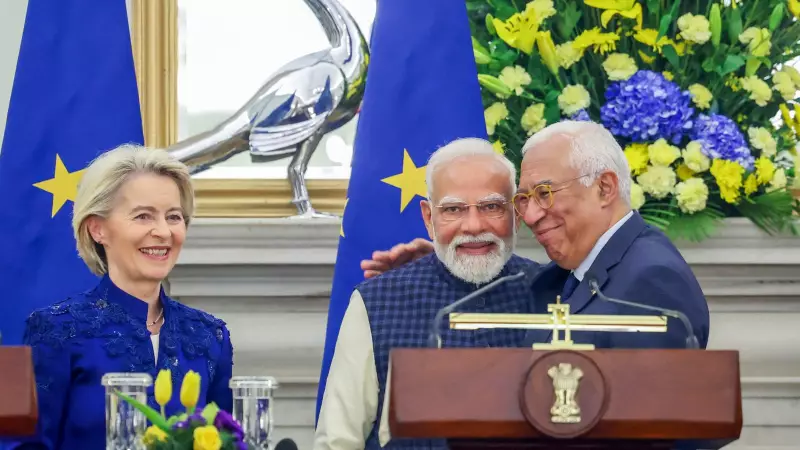
The announcement of the conclusion of negotiations for the India-European Union Free Trade Agreement (FTA) has been met with widespread celebration and optimism. This landmark deal arrives at a crucial juncture in global trade, where traditional rules are being challenged and geopolitical realignments are underway. The FTA sends a powerful message that major economies are committed to strengthening economic ties through negotiated frameworks and adherence to international trade norms.
The Promise of Enhanced Economic Momentum
As India's largest trading partner in terms of GDP, the EU agreement holds immense potential to accelerate India's goods and services exports. This partnership is expected to facilitate market diversification, reducing India's historical dependence on the United States market. The FTA is particularly poised to generate significant employment opportunities through boosted exports of labour-intensive products to the EU, including apparel, leather goods, gems, and jewellery sectors.
The geopolitical significance of this agreement cannot be overstated, especially considering the current global trade environment. However, the real measure of success will be whether the FTA delivers substantial increases in merchandise and services exports while attracting meaningful European investments into India's manufacturing ecosystem.

Navigating the Potential Pitfalls: Six Critical Areas of Concern
While applauding this achievement, it is equally important to examine the fine print and legal provisions that could potentially undermine India's export prospects and developmental objectives. Based on the EU's recent FTA patterns and initial negotiation demands, several crucial areas demand careful attention:

- Carbon Border Adjustment Mechanism (CBAM): The EU's implementation of carbon taxes on imports across six sectors presents a significant challenge. If the FTA fails to adequately address or limit the EU's ability to impose these carbon taxes on Indian exports, sectors like iron, steel, and aluminium could see their benefits eroded or completely nullified. Future expansion of CBAM to additional sectors would further diminish India's gains from the agreement.
- Automotive Sector Concessions: Domestic automobile and auto component manufacturers are watching with apprehension as India reportedly considers reducing tariffs to approximately 10 percent on 250,000 vehicles. Particularly crucial will be the concessions granted for electric vehicles, which could potentially limit growth opportunities for India's emerging domestic EV industry.
- Government Procurement Provisions: Following patterns established in agreements with the UAE and UK, India may have opened government procurement to EU partners while potentially restricting policy space to boost domestic manufacturing. If concessions mirror those granted to the UK, domestic suppliers would face increased competition from EU counterparts. While Indian exporters theoretically gain access to the EU's substantial public procurement market, practical realities suggest limited opportunities, with studies indicating only 1-2 percent of EU procurement comes from non-EU sources.
- Sustainable Food Systems (SFS) Requirements: The EU's definition of sustainable food systems, requiring profitability throughout economic activities, raises concerns about compatibility with India's public stockholding programs. These programs involve government procurement at higher prices and subsidized distribution, potentially conflicting with EU sustainability criteria. Even non-binding SFS provisions could open doors for non-tariff barriers against Indian agricultural exports.
- Energy and Raw Materials Chapter: Provisions in this section could potentially prevent India from offering energy goods and raw materials to domestic downstream industries at preferential prices, creating disincentives for value-added production. Additionally, requirements regarding EU entities in mining and related activities could limit India's ability to charge reasonable prices for natural resource access.
- Pharmaceutical Patent Provisions: The FTA may replicate patent provisions from the India-UK CETA, emphasizing voluntary licensing mechanisms over compulsory licensing. This could represent a setback for India's generic pharmaceutical industry while favoring developed-country patent holders.
Balancing Celebration with Strategic Caution
The geopolitical signaling value of the India-EU FTA represents a significant achievement that should not be underestimated. However, the agreement's ultimate success for India hinges on tangible outcomes: substantial export growth, meaningful market diversification, and significant European investment in manufacturing sectors.
As stakeholders await the final agreement text, there is hope that the concerns outlined above have been addressed in India's favor. Should these issues remain unresolved, the medium to long-term implications of the FTA could prove worrisome for India's economic interests and developmental objectives.
The India-EU FTA stands as a testament to strategic economic diplomacy, but its implementation details will determine whether it becomes a transformative partnership or merely a symbolic agreement with limited practical benefits. Careful monitoring and strategic navigation of these complex provisions will be essential to ensuring that India maximizes the opportunities while minimizing potential drawbacks from this historic trade arrangement.