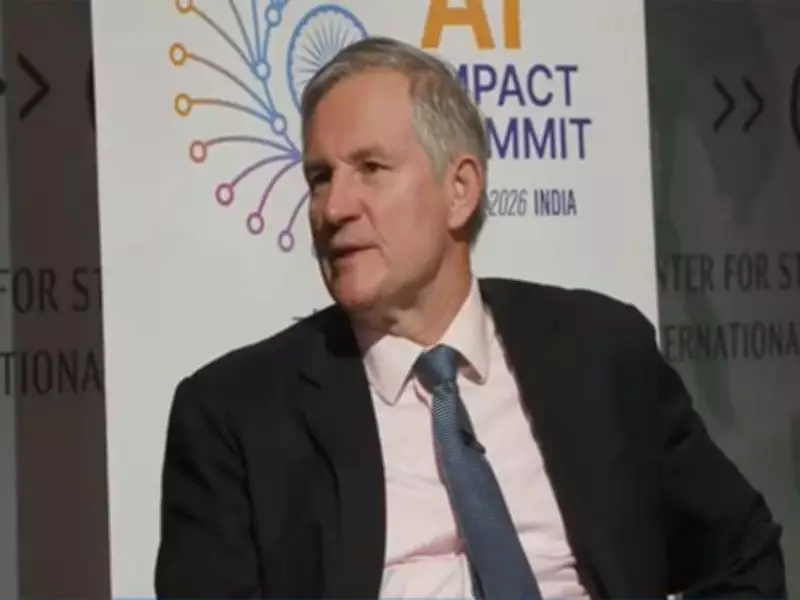
In a significant development for international trade relations, French Ambassador to the United States Laurent Bili has emphasized the pivotal role of the India-European Union Free Trade Agreement (FTA) in fostering innovation and strengthening bilateral ties. Speaking recently, Bili described the proposed FTA as a "two-way bridge for innovation," underscoring its potential to enhance economic cooperation and technological exchange between India and the EU member states.
Enhancing Economic and Technological Synergies
The India-EU FTA, which has been under negotiation for several years, aims to create a comprehensive framework for trade and investment. According to Bili, this agreement is not merely about reducing tariffs but also about building a robust platform for collaborative innovation. He highlighted that both India and the EU possess complementary strengths in areas such as digital technology, renewable energy, and pharmaceuticals, which can be leveraged through this FTA to drive mutual growth and development.
Key Areas of Focus in the FTA Negotiations
The negotiations for the India-EU FTA cover a wide range of sectors, with a particular emphasis on innovation-driven industries. Key areas include:

- Digital Economy: Facilitating cross-border data flows and promoting digital infrastructure projects.
- Green Technology: Encouraging partnerships in sustainable energy solutions and climate change mitigation.
- Healthcare and Pharmaceuticals: Enhancing cooperation in medical research and drug development.
- Intellectual Property Rights: Establishing frameworks to protect innovations and foster creativity.
Implications for India's Global Trade Strategy
For India, the FTA with the EU represents a strategic move to diversify its trade partnerships and reduce dependency on traditional markets. Bili's comments come at a time when India is actively pursuing trade agreements with various regions to boost its export-oriented sectors. The EU, as one of the world's largest economies, offers immense opportunities for Indian businesses in terms of market access and investment inflows.
Moreover, the innovation aspect of the FTA aligns with India's domestic initiatives such as "Make in India" and "Digital India," which aim to position the country as a global hub for manufacturing and technology. By collaborating with EU nations, India can gain access to advanced technologies and best practices, thereby accelerating its own industrial and technological advancements.
Challenges and Opportunities Ahead
While the prospects of the India-EU FTA are promising, there are challenges that need to be addressed. These include resolving differences over market access, regulatory standards, and labor issues. However, Bili expressed optimism that both sides are committed to finding mutually beneficial solutions. He noted that the FTA could serve as a model for other trade agreements, demonstrating how innovation can be integrated into economic partnerships to create win-win outcomes.
In conclusion, Laurent Bili's endorsement of the India-EU FTA as a bridge for innovation highlights its potential to transform bilateral relations. As negotiations progress, stakeholders from both India and the EU are hopeful that this agreement will pave the way for enhanced collaboration, driving economic growth and technological progress in the years to come.