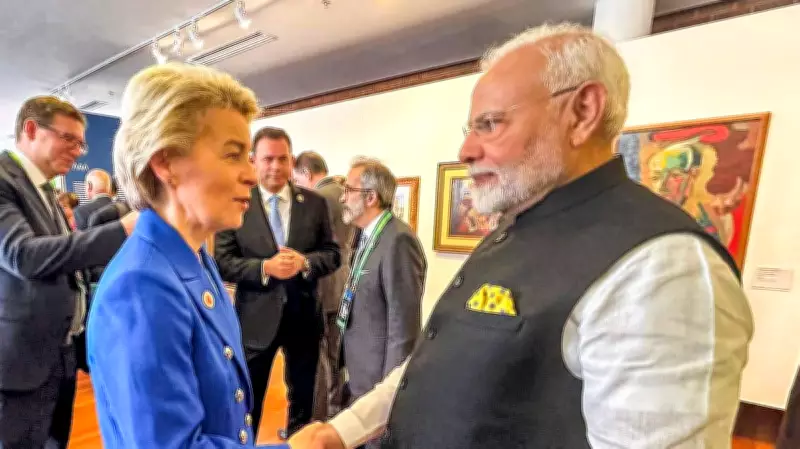
Environmental Costs of India-EU Trade Deal Remain Unclear
The recently negotiated trade agreement between India and the European Union has sparked significant debate, particularly regarding its potential environmental impacts. Under the terms of this landmark deal, tariffs on a wide range of goods are set to be eliminated gradually over the next five to seven years. This move aims to boost bilateral trade and economic cooperation, but it also raises critical questions about the sustainability and ecological consequences of increased commerce.
Key Provisions and Timeline of the Agreement
The agreement outlines a phased reduction of tariffs on most goods traded between India and the EU. This process is scheduled to unfold over a period of five to seven years, allowing businesses and economies to adjust to the new trade dynamics. While this timeline is designed to facilitate a smooth transition, it also means that the full environmental effects may not become apparent until the later stages of implementation.
Experts and analysts have expressed concerns that the accelerated trade flows could lead to heightened resource extraction, increased carbon emissions from transportation, and potential strain on local ecosystems. However, the specific environmental costs associated with these changes remain poorly defined and inadequately addressed in the current agreement framework.

Uncertainties and Policy Implications
The lack of clarity surrounding the environmental costs poses significant challenges for policymakers and stakeholders. Without comprehensive assessments and mitigation strategies, there is a risk that the trade deal could undermine global sustainability goals and exacerbate climate change issues. This uncertainty highlights the need for robust environmental safeguards and transparent monitoring mechanisms to be integrated into the trade agreement.
Furthermore, the agreement's focus on economic growth must be balanced with environmental stewardship to ensure long-term benefits for both regions. As the tariff reductions take effect, ongoing evaluation and adaptation will be crucial to address any unforeseen ecological impacts.
- Tariff elimination over 5-7 years for most goods.
- Potential increases in carbon emissions and resource use.
- Insufficient environmental safeguards in the current deal.
- Need for ongoing monitoring and policy adjustments.
In conclusion, while the India-EU trade deal promises economic advantages, its environmental costs remain a critical area of uncertainty. Stakeholders must prioritize sustainability and transparency to mitigate potential negative effects and align the agreement with broader environmental objectives.