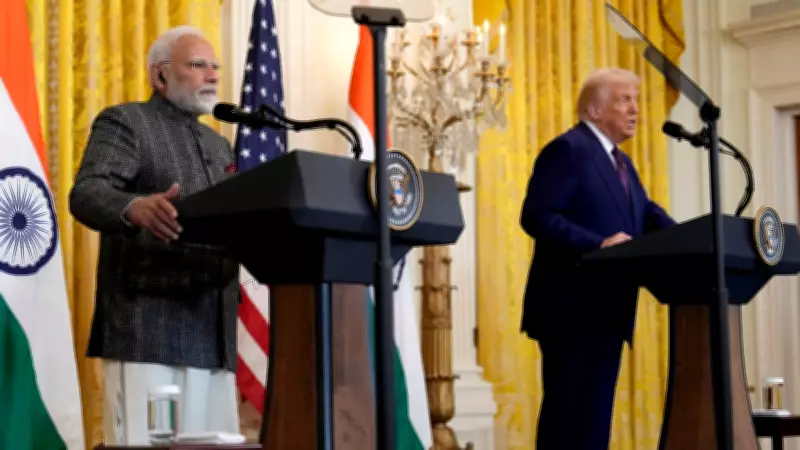
India Confronts 18% US Tariffs Following Modi-Trump Trade Negotiations
In a significant development in international trade, India is now subject to an 18% tariff imposition by the United States, a direct outcome of the trade discussions between Prime Minister Narendra Modi and former US President Donald Trump. This move marks a pivotal moment in the economic interactions between the two nations, potentially reshaping export dynamics and bilateral agreements.
Background of the Trade Discussions
The trade deal between India and the United States has been a focal point of diplomatic efforts, with both leaders engaging in negotiations to address trade imbalances and market access issues. Prime Minister Modi and President Trump aimed to foster a more equitable trade environment, but the imposition of tariffs indicates ongoing challenges in reaching a comprehensive agreement.
Impact on Indian Exports
The 18% tariffs are expected to affect various sectors of the Indian economy, particularly those reliant on exports to the US market. Key industries such as textiles, pharmaceuticals, and information technology may face increased costs and reduced competitiveness. This development underscores the need for strategic adjustments in India's trade policies to mitigate adverse effects.

The tariff imposition could lead to a reevaluation of India's export strategies and prompt discussions on retaliatory measures or further negotiations. It highlights the complexities of global trade relations and the importance of diplomatic agility in navigating such economic pressures.
Future ProspectsAs India continues to engage with the United States on trade matters, stakeholders are closely monitoring the situation for potential resolutions or escalations. The outcome of these talks will likely influence not only bilateral trade but also India's broader economic partnerships on the global stage.