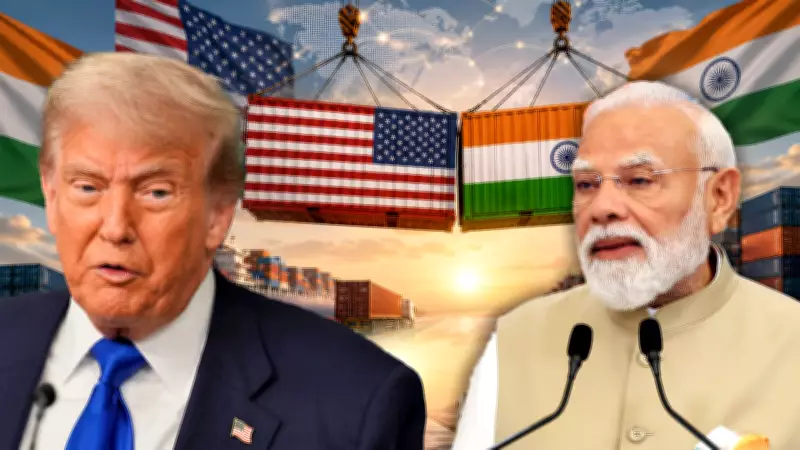
India and the United States are on the verge of a major breakthrough in trade negotiations, as Commerce Minister Piyush Goyal announced that the initial phase of a bilateral trade agreement could be signed by mid-July. This development marks a significant step forward in strengthening economic ties between the two nations.
Key Details of the Proposed Pact
The first phase of the agreement is designed to enhance market access for Indian exporters and foster deeper economic cooperation. While specific sectors have not been disclosed, the pact is expected to address trade barriers and streamline customs procedures. However, concerns persist over new US tariff proposals that could affect certain Indian goods, potentially tempering the optimism surrounding the deal.
Strategic Implications
The timing of the agreement is crucial, as both countries seek to bolster their economic resilience amid global uncertainties. For India, the pact could open up new opportunities in sectors such as textiles, pharmaceuticals, and information technology. For the US, it represents a chance to diversify supply chains and reduce dependence on other trading partners.

Challenges Ahead
Despite the progress, negotiations remain delicate. Indian officials have expressed reservations about proposed US tariffs on steel and aluminum, which could undermine the benefits of the agreement. Meanwhile, US lawmakers are pushing for stricter intellectual property protections, a sensitive issue for India's generic drug industry. Both sides are working to resolve these differences before the mid-July deadline.
The successful conclusion of this first phase could pave the way for a more comprehensive trade deal, covering areas like digital trade, investment, and services. As the world's largest democracies, India and the US have the potential to set a benchmark for bilateral trade agreements in the 21st century.