Trade activity between Pakistan and Afghanistan has suffered a severe blow, with official figures indicating a staggering 40 per cent decline in recent months. This sharp downturn is a direct consequence of escalating tensions along their shared border, which have led to prolonged closures of key transit points and the imposition of stringent restrictions.
Border Clashes and Transit Restrictions Disrupt Commerce
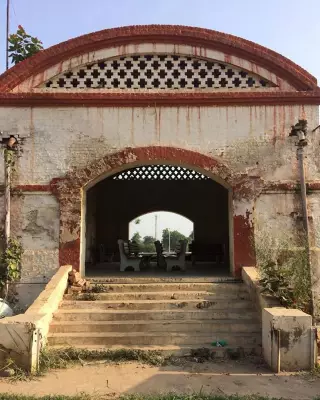
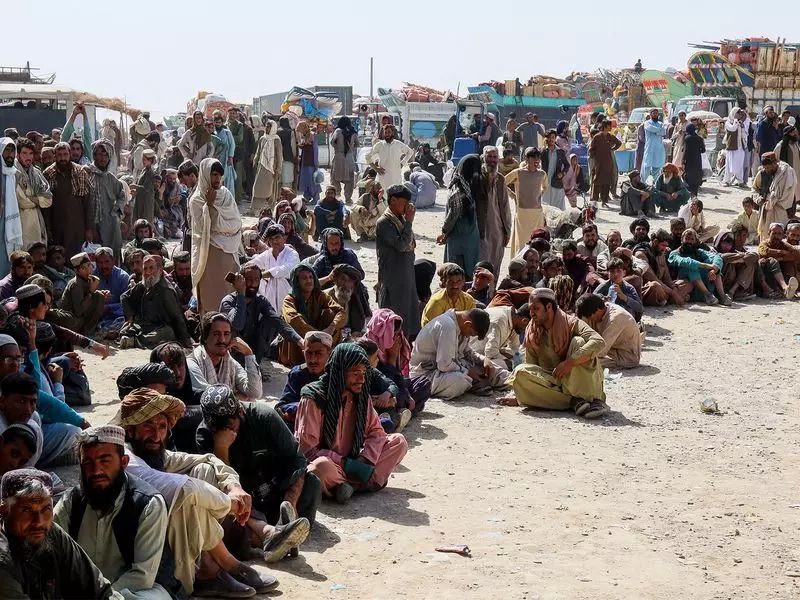
The primary flashpoint has been the critical Torkham border crossing, a major artery for trade and movement. The crossing has witnessed repeated and extended closures following skirmishes between the security forces of both nations. These clashes, often centered on disputes over border fencing and security protocols, have created an environment of instability that is toxic for commerce.
Beyond the outright closures, Pakistan has enforced new regulatory measures that have further choked the flow of goods. Authorities now mandate that all goods bound for Afghanistan must be transported via containerized vehicles registered in Pakistan. This policy has disrupted the traditional and widely used method of using smaller, non-containerized trucks, causing massive delays and increased costs for Afghan importers and traders.

Economic Fallout and Strained Diplomatic Ties
The economic consequences of this trade collapse are profound for both countries. Afghanistan, a landlocked nation, heavily relies on Pakistani ports like Karachi for its imports and exports. The disruptions have led to shortages of essential goods in Afghan markets and driven up prices. On the Pakistani side, exporters and transport companies that depend on the Afghan transit route are facing significant financial losses.
The trade impasse is a symptom of the broader deterioration in diplomatic relations between Islamabad and the Taliban administration in Kabul. Disagreements over security, the presence of militant groups, and the legitimacy of the Durand Line as the international border have all contributed to the current standoff. The trade route, once a symbol of economic interdependence, has now become a lever of political pressure.
Future Prospects and Regional Implications
While intermittent talks occur, a swift resolution appears unlikely. The entrenched positions on both sides suggest that trade volumes may remain depressed for the foreseeable future. This situation pushes Afghanistan to seek alternative, though often more expensive and logistically challenging, trade routes through Iran or Central Asian nations.
The significant 40% drop in bilateral trade underscores how political and security disputes can swiftly unravel economic ties. It serves as a cautionary tale for regional connectivity efforts and highlights the urgent need for dialogue to de-escalate tensions, not just for the sake of cross-border trade but for the broader stability of South Asia.