

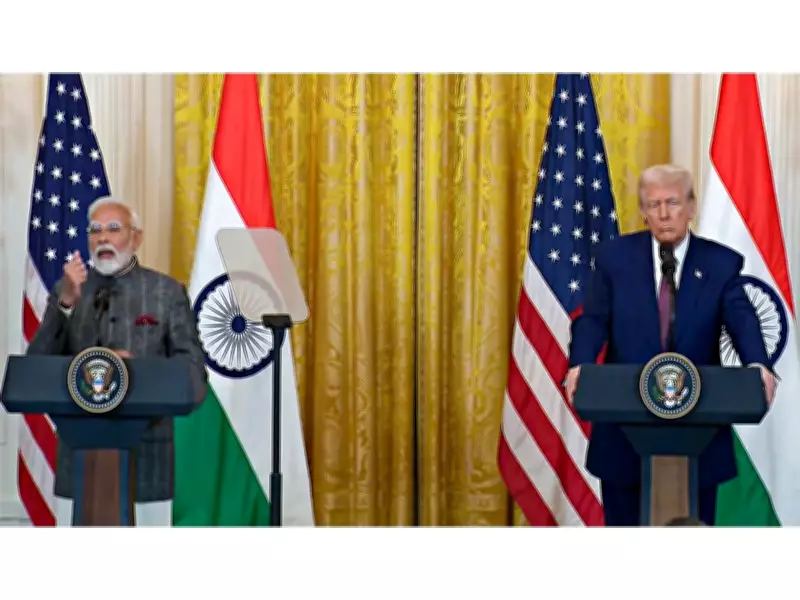
In a notable development for international trade, former United States President Donald Trump has publicly announced the establishment of a new trade deal with India. This agreement, as claimed by Trump, includes a substantial reduction in reciprocal tariffs, bringing them down to 18 percent. The announcement underscores a pivotal moment in the economic relationship between the two nations, potentially reshaping trade dynamics and fostering enhanced bilateral cooperation.
Key Details of the Trade Agreement
The trade deal, as outlined by Trump, focuses on mutual benefits and aims to address longstanding trade imbalances. By lowering the reciprocal tariff to 18 percent, the agreement seeks to promote fairer trade practices and boost economic exchanges between the US and India. This move is expected to have far-reaching implications for various sectors, including manufacturing, agriculture, and technology, by reducing barriers and encouraging investment flows.
Impact on US-India Economic Relations
The reduction in tariffs is anticipated to strengthen the economic ties between the United States and India, two of the world's largest economies. This development could lead to increased trade volumes, job creation, and innovation, benefiting businesses and consumers on both sides. Moreover, it aligns with broader efforts to enhance global trade stability and cooperation, particularly in the face of evolving geopolitical challenges.

Reactions and Future Prospects
While Trump's announcement has garnered attention, further details and official confirmations from both governments are awaited. The trade deal is likely to be scrutinized for its specific terms and implementation strategies. Observers suggest that this agreement could set a precedent for future trade negotiations, influencing other bilateral and multilateral trade pacts in the region and beyond.
In summary, President Trump's claim of a trade deal with India and the tariff reduction to 18 percent marks a significant step in international trade relations. As the situation unfolds, stakeholders will closely monitor its execution and long-term effects on the global economic landscape.






