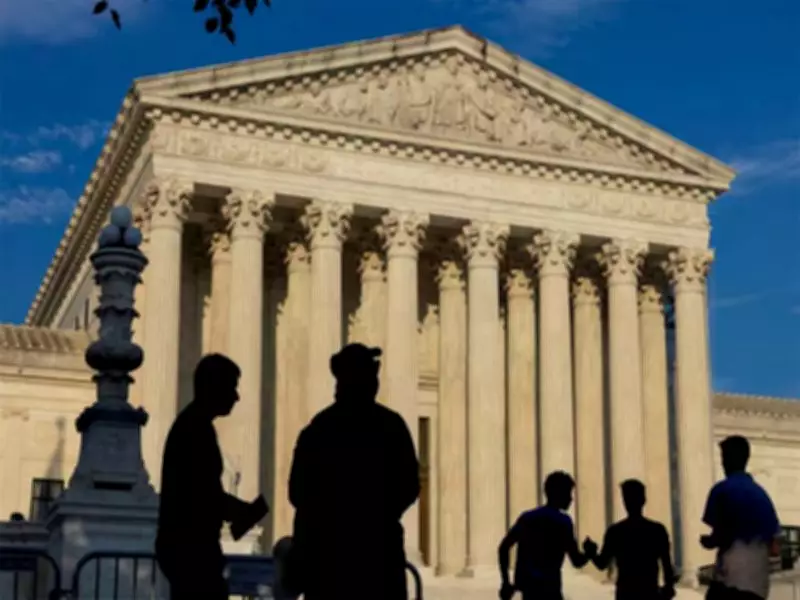
US Supreme Court Overturns Trump-Era Tariffs, Sparking Potential Billion-Dollar Refunds
The United States Supreme Court has delivered a landmark ruling that strikes down tariffs imposed during the administration of former President Donald Trump. This decision could have profound financial implications, as the US government may now be required to refund billions of dollars collected under these now-invalidated tariffs. The ruling highlights a significant shift in trade policy and legal interpretation, with Justice Brett Kavanaugh expressing strong dissent, warning of the substantial economic consequences.
Details of the Supreme Court Decision and Its Immediate Impact
In a closely watched case, the Supreme Court ruled that the tariffs implemented by Trump were not legally justified under existing trade laws. These tariffs, which targeted a wide range of imported goods from various countries, were initially imposed as part of Trump's "America First" agenda to protect domestic industries. However, the court found that the executive branch overstepped its authority in levying these duties without proper congressional approval or adherence to international trade agreements.
The immediate effect of this ruling is that the tariffs are now null and void, meaning businesses and individuals who paid them could be entitled to refunds. Legal experts estimate that the total amount at stake could run into billions of dollars, depending on how the refund process is administered by US customs and trade agencies. This development is expected to trigger a wave of claims and potential lawsuits from affected parties seeking reimbursement.

Justice Kavanaugh's Dissenting Opinion and Broader Implications
In a dissenting note, Justice Brett Kavanaugh argued that the majority's decision undermines the executive branch's ability to conduct foreign trade policy effectively. He emphasized that the tariffs were a legitimate tool to address trade imbalances and protect national economic interests. Kavanaugh warned that requiring refunds could strain federal finances and create uncertainty in international trade relations, potentially leading to retaliatory measures from other countries.
This ruling is part of a broader trend of judicial scrutiny over presidential actions in trade and economic policy. It sets a precedent that may limit future administrations' flexibility in imposing similar tariffs without explicit legislative backing. The decision also raises questions about the balance of power between the executive and legislative branches in shaping US trade strategy, with potential long-term effects on global commerce and diplomatic ties.
Key Points from the Ruling:- The Supreme Court declared Trump's tariffs unconstitutional due to lack of proper authorization.
- Refunds for paid tariffs could total billions of dollars, impacting government revenue.
- Justice Kavanaugh dissented, citing risks to trade policy and economic stability.
- The decision may influence future presidential actions on international trade measures.
As the US grapples with this ruling, stakeholders from businesses to policymakers are assessing the fallout. The potential for large-scale refunds adds a layer of complexity to ongoing trade negotiations and domestic economic planning. This case underscores the critical role of the judiciary in checking executive power and shaping the contours of American trade law in an increasingly interconnected global economy.