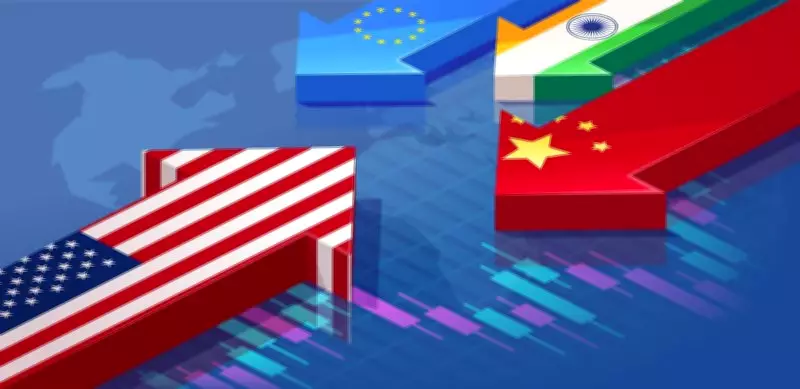
US Initiates Trade Probe into India, China, and Other Partners Over Unfair Foreign Practices
The United States has launched a significant trade investigation targeting India, China, and several other international partners. This move comes amid growing concerns over unfair foreign practices that could potentially harm American industries and workers. The probe aims to scrutinize trade policies and actions that may be deemed discriminatory or non-compliant with international trade norms.
Scope and Focus of the Investigation
The investigation will delve into various aspects of trade relations, including tariffs, subsidies, and regulatory barriers that might disadvantage US businesses. Authorities are particularly focused on practices that could distort market competition or create an uneven playing field for American exporters. This initiative reflects the US government's commitment to enforcing trade laws and protecting domestic economic interests.
Implications for India and China
For India and China, as major trading partners with the US, this probe could lead to heightened scrutiny of their trade policies. Both nations have faced previous trade disputes with the US, and this new investigation may result in further negotiations or potential retaliatory measures. The outcome could impact bilateral trade agreements and influence future economic collaborations between these countries.

Broader International Context
Beyond India and China, the investigation includes other partners, highlighting a broader strategy by the US to address global trade imbalances. This action underscores the ongoing tensions in international trade relations and the challenges of maintaining fair practices in a competitive global economy. Stakeholders are closely monitoring developments, as the findings could set precedents for how trade disputes are handled moving forward.
Next Steps and Potential Outcomes
The US trade authorities will conduct a thorough analysis, gathering data and testimonies from affected industries. Based on the findings, recommendations may include imposing tariffs, initiating dispute resolution mechanisms, or seeking reforms through diplomatic channels. This process is expected to unfold over the coming months, with significant implications for global trade dynamics.