

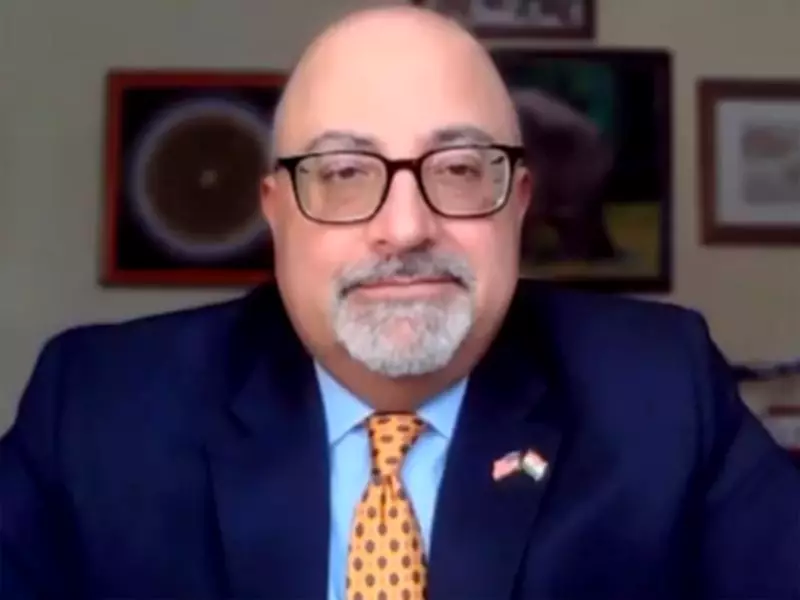
The President of the US-India Business Council (USIBC), Atul Keshap, has publicly commended the recent trade agreement between India and the United States, describing it as a significant development that sends a very positive psychological message to global markets. This endorsement comes at a crucial time as both nations seek to deepen their economic collaboration amid evolving geopolitical dynamics.
Strategic Importance of the Trade Deal
Keshap emphasized that the agreement is not merely a transactional arrangement but a strategic move that reinforces the strong partnership between India and the US. He noted that it underscores a shared commitment to fostering open trade, reducing barriers, and promoting mutual growth. The deal is expected to enhance bilateral trade flows, which have been steadily increasing over the past decade, and create new opportunities for businesses in sectors such as technology, manufacturing, and services.
Psychological Impact on Global Perceptions
According to Keshap, the psychological aspect of the agreement is particularly noteworthy. In a world where trade tensions and protectionist policies often dominate headlines, this deal sends a clear signal of stability and cooperation. It boosts confidence among investors and stakeholders, encouraging them to engage more actively in cross-border ventures. This positive message can help counteract uncertainties and pave the way for further economic integration between the two democracies.

Potential Benefits for Indian and American Businesses
The trade agreement is anticipated to yield tangible benefits for both Indian and American enterprises. For India, it could lead to increased access to the US market, especially in areas like pharmaceuticals, information technology, and agricultural products. Conversely, American companies may find it easier to operate in India, with potential improvements in intellectual property rights, regulatory frameworks, and investment climates. Keshap highlighted that such developments are essential for driving innovation and job creation in both countries.
Challenges and Future Prospects
While the deal is a positive step, Keshap acknowledged that challenges remain, including addressing non-tariff barriers and aligning standards. However, he expressed optimism that ongoing dialogues and collaborative efforts will help overcome these hurdles. Looking ahead, the USIBC President envisions this agreement as a foundation for more comprehensive trade pacts, potentially leading to a broader free trade agreement in the future.
In summary, the USIBC's praise for the India-US trade deal underscores its significance beyond economic metrics, highlighting its role in strengthening bilateral relations and sending a reassuring message to the global community. As both nations continue to navigate complex international landscapes, such agreements are pivotal in shaping a more interconnected and prosperous world economy.






