

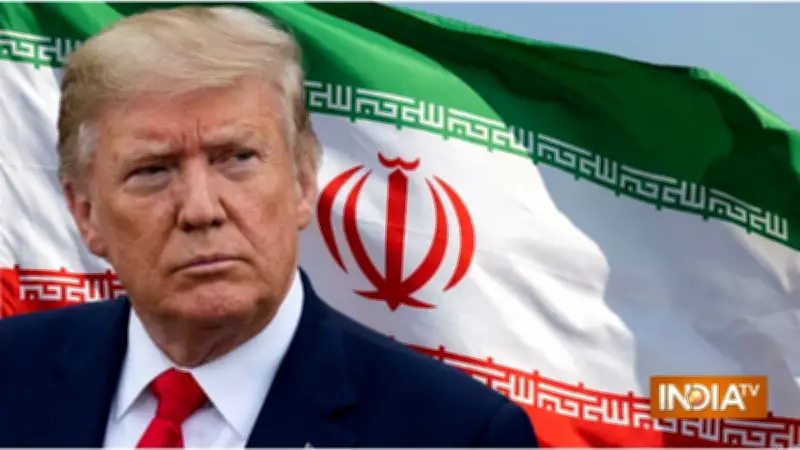
Confusion continues to surround the potential signing of a peace deal between the United States and Iran, which had been expected to take place on Sunday. Despite earlier indications that an agreement was imminent, officials on both sides have remained tight-lipped, fueling speculation about the status of the negotiations.
Background of the Deal
The proposed peace deal aims to resolve long-standing tensions between the two nations, which have been at odds over Iran's nuclear program and regional influence. Talks have been ongoing for months, with both sides expressing cautious optimism in recent weeks.
Sunday Signing in Doubt
Reports emerged late Saturday that the signing ceremony, planned for Sunday, might be postponed or canceled altogether. Neither the White House nor the Iranian Foreign Ministry has confirmed or denied the reports, leaving journalists and analysts scrambling for clarity.

Some sources suggest that last-minute disagreements over key provisions, including sanctions relief and nuclear inspections, may have derailed the agreement. Others speculate that domestic political pressures in both countries could be causing delays.
International Reactions
The international community has been watching the developments closely. European allies, who have been involved as mediators, expressed hope that the deal would still go through. However, they acknowledged that significant hurdles remain.
Market analysts noted that the uncertainty has affected oil prices, which have fluctuated in recent days. A finalized peace deal could lead to increased oil exports from Iran, potentially lowering global prices.
What Happens Next?
Diplomatic sources indicate that negotiations are continuing behind the scenes, with both sides trying to bridge their differences. It remains unclear whether a new date for signing will be announced or if the deal will collapse entirely.
For now, the world waits to see if Sunday will bring a historic breakthrough or another chapter in the long-running saga of US-Iran relations.






