

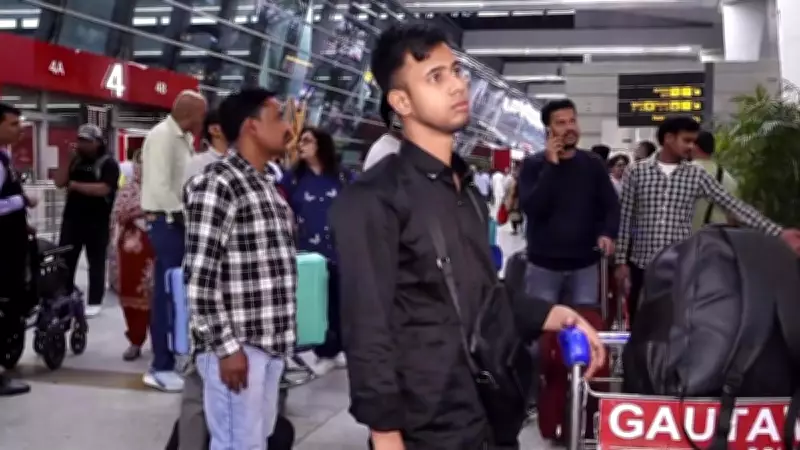
Delhi Airport Faces Major Disruptions with 87 Flight Cancellations
The escalating conflict in the Middle East has triggered significant disruptions at Delhi's Indira Gandhi International Airport, with 87 flights cancelled in the past two days. This development comes as part of a broader aviation crisis affecting Indian carriers operating international routes.
Widespread Impact on Indian Aviation
Indian airlines have been forced to cancel a staggering 760 overseas flights over the last 48 hours, according to recent reports. The primary cause of these cancellations is the closure of multiple airspaces across the Middle East region, making many flight paths unsafe or inaccessible for commercial aircraft.
The situation has created considerable uncertainty for travelers, particularly those booked on routes connecting India with destinations in Europe, North America, and other regions that typically traverse Middle Eastern airspace. Airlines are scrambling to reroute flights where possible, but many journeys have become logistically impossible under current conditions.

Regional Airspace Closures Create Aviation Gridlock
The Middle East conflict has resulted in unprecedented airspace restrictions that are reverberating through global aviation networks. Several countries in the region have closed their airspace to civilian traffic as security concerns mount, creating a domino effect that extends far beyond the immediate conflict zone.
Aviation experts note that the closures are particularly problematic because the Middle East serves as a crucial transit corridor for flights between Asia and Europe, as well as for connections between India and Africa. The alternative routes available often require significantly more fuel and time, making many flights economically unviable for airlines.
Passenger Impact and Industry Response
Travelers at Delhi airport and other major Indian aviation hubs are facing:
- Last-minute flight cancellations with minimal notice
- Difficulty securing alternative travel arrangements
- Uncertainty about when normal operations might resume
- Potential financial losses from disrupted travel plans
Airlines have begun implementing contingency plans, including:
- Offering refunds or rebooking options for affected passengers
- Prioritizing essential cargo and diplomatic flights where possible
- Coordinating with international aviation authorities to monitor airspace developments
- Adjusting schedules for the coming days based on conflict developments
The situation remains fluid, with aviation authorities closely monitoring geopolitical developments that could further impact air travel. Industry analysts warn that if the conflict continues to escalate, the disruptions could extend beyond the current cancellations to affect flight schedules for weeks or even months.






