

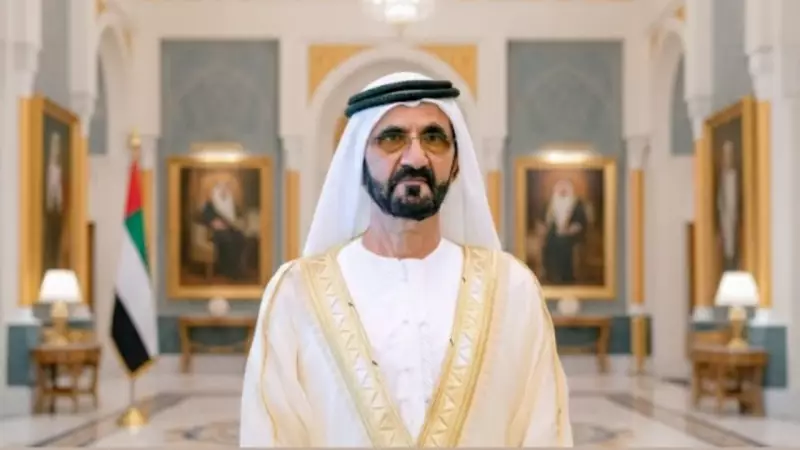
His Highness Sheikh Mohammed bin Rashid Al Maktoum, the Vice President and Prime Minister of the UAE and Ruler of Dubai, completes a landmark two decades at the helm of the emirate today. His leadership, which began on 4 January 2006 following the passing of his brother Sheikh Maktoum, has orchestrated one of the most dramatic urban and economic transformations of the 21st century, turning Dubai from a regional player into a globally recognised hub for business, tourism, and innovation.
Architecting a Futuristic Skyline and Infrastructure
The most visible testament to Sheikh Mohammed's ambition is Dubai's ever-evolving skyline, now dotted with world-record-breaking structures and pioneering developments. His vision materialised in projects that are not just buildings but global icons.
These include the Burj Khalifa (2010), the planet's tallest building; the Palm Jumeirah, a staggering man-made island; and the Dubai Mall (2008), one of the world's largest shopping destinations. More recent additions like the Museum of the Future (2022) and the Dubai Frame (2018) symbolise a commitment to blending cultural narrative with futuristic thought.

Beyond landmarks, connectivity was revolutionised. The Dubai Metro redefined urban commute, while massive investments in roads and the expansion of Al Maktoum International Airport solidified Dubai's status as a premier global logistics and transit centre.
Strategic Visions and Economic Diversification
Sheikh Mohammed's rule has been guided by clear, long-term strategic frameworks designed to future-proof the emirate's economy. Dubai Vision 2021 focused on creating a smart, sustainable city, while the broader UAE Vision 2031 lays down a roadmap for a diversified, knowledge-based economy less reliant on oil.
Key initiatives have been instrumental in attracting global capital and talent. The Golden Visa program, launched in 2019, offers long-term residency to investors, entrepreneurs, and specialists. Business-friendly free zones like the Dubai International Financial Centre (DIFC) and Dubai Internet City provide tailored environments for multinationals and startups. The Smart Dubai initiative pushes the envelope in digital governance using AI and blockchain.
Positioning Dubai on the Global Map
Tourism has been a cornerstone of this growth story. From luxury hotels like the Burj Al Arab to mega-events such as the Dubai Shopping Festival and Expo 2020 Dubai, the emirate has successfully marketed itself as a must-visit destination. The offering has expanded to include adventure tourism, world-class theme parks, and even indoor skiing at Ski Dubai.
The economic impact is measurable. Dubai has robustly diversified into trade, finance, real estate, and technology. This transformation under Sheikh Mohammed's visionary policies has earned the emirate global recognition not just as a tourist playground, but as a serious centre for commerce, culture, and cutting-edge innovation, setting a benchmark for urban development worldwide.






