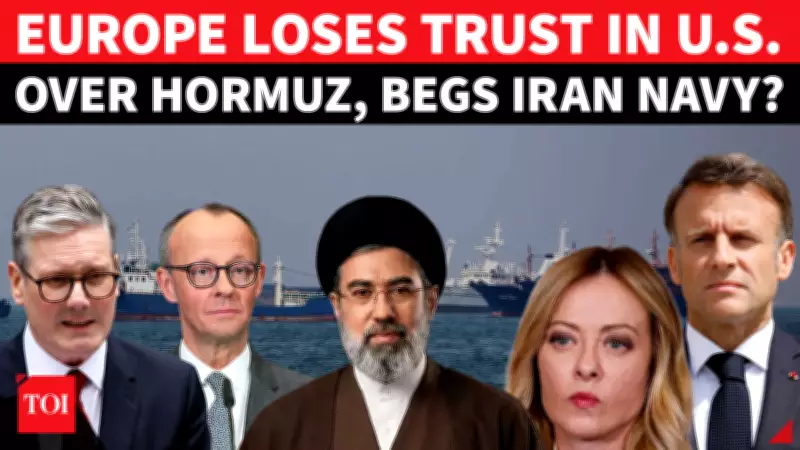
A dramatic geopolitical shift is unfolding in the Strait of Hormuz as Iran tightens its grip over one of the world's most critical energy chokepoints. According to reports from Iranian state media IRIB, several European countries are now reportedly seeking Tehran's approval to move their ships through the Strait after China, Japan, and Pakistan secured safe passage through coordination with Iran's navy.
The Strategic Importance of the Strait of Hormuz
The Strait of Hormuz carries nearly 20 percent of the world's oil supply, making it one of the most strategically important waterways on Earth. Since the outbreak of the US-Israel-Iran conflict earlier this year, Iran has reportedly imposed tighter controls on maritime traffic, requiring vessels to submit cargo manifests, crew details, and voyage information before transit approval.
European Dependence on Middle Eastern Oil
European nations, which rely heavily on oil imports from the Middle East, are now facing the prospect of energy shortages if they cannot secure passage through the Strait. The move to seek Iran's approval marks a significant shift in diplomatic relations, as Europe traditionally aligns with US policies in the region. However, the immediate need to keep lights on and industries running has forced a pragmatic approach.

Iran's tightening control over the Strait is seen as a strategic move to leverage its position in ongoing negotiations and conflicts. By granting passage to some nations while denying others, Tehran can exert influence on global energy markets and political alignments.
Global Reactions and Implications
The United States has expressed concern over Iran's actions, warning that such controls could disrupt global oil supplies and lead to higher prices. Meanwhile, China and Pakistan have already secured safe passage, highlighting their close ties with Iran. Japan, a key US ally, also obtained approval, indicating a complex web of diplomatic maneuvering.
For Europe, the situation presents a dilemma. While seeking Iran's approval may provide short-term relief, it could strain relations with the US and Israel. However, the immediate energy crisis may outweigh long-term diplomatic considerations. Analysts suggest that Europe's approach could set a precedent for other nations, potentially reshaping global energy diplomacy.
As the situation evolves, the world watches closely. The Strait of Hormuz remains a flashpoint, and Iran's control over it could have far-reaching consequences for global energy security and international relations.