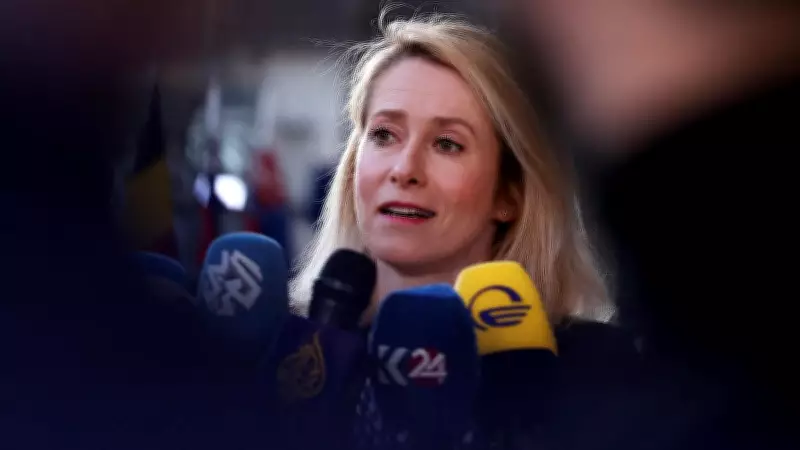
EU's Kallas Floats Black Sea Model to Unblock Strait of Hormuz Amid Iran Conflict
In a significant diplomatic move, European Union foreign policy chief Kaja Kallas has proposed applying the Black Sea model as a strategic framework to address the critical blockage of the Strait of Hormuz, a vital global maritime chokepoint currently choked off due to the ongoing Iran war. This innovative suggestion aims to restore free navigation and ensure stability in the region, leveraging lessons from previous international efforts.
Discussions with UN Secretary-General Antonio Guterres
Kallas revealed that she has engaged in high-level talks with UN Secretary-General Antonio Guterres to explore this idea further. The discussions focused on adapting the cooperative mechanisms used in the Black Sea to de-escalate tensions and facilitate safe passage through the Strait of Hormuz, which is essential for global oil shipments and trade routes.
Implications for Global Trade and Security
The blockage of the Strait of Hormuz has severe repercussions for international trade and energy security, given its role as a key transit point for a substantial portion of the world's oil exports. Kallas's proposal underscores the EU's commitment to proactive diplomacy and conflict resolution, aiming to prevent further economic disruptions and geopolitical instability in the Middle East.