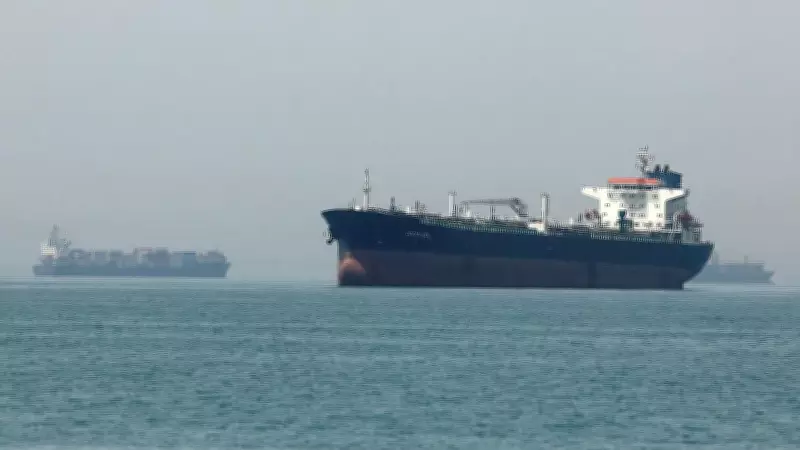
Even if a deal is finalized regarding the Strait of Hormuz, the prewar status quo—when upward of 130 ships transited the strait each day—might be weeks or even months away. Moving 1,500 ships through the crucial waterway remains a significant logistical challenge.
Logistical Hurdles Ahead
The strait, a narrow passage connecting the Persian Gulf to the Gulf of Oman, is a vital artery for global oil shipments. Restoring normal traffic flow requires coordination among multiple stakeholders, including naval forces, shipping companies, and port authorities.
Key Challenges
- Security Clearance: Vessels must be inspected for mines or other hazards, a time-consuming process.
- Navigation Restrictions: Ships may need to sail in convoys or adhere to specific lanes to avoid collisions.
- Insurance and Crewing: Insurers may demand higher premiums, and crew availability could be limited due to safety concerns.
Phased Approach Likely
Analysts suggest a gradual resumption, starting with smaller vessels and then scaling up to tankers. This approach minimizes risk but delays full recovery.

Regional Implications
Oil prices, which spiked during the crisis, may take time to stabilize. Countries reliant on Gulf oil, such as India and China, are monitoring the situation closely.
While the deal offers hope, the road to normalcy remains fraught with obstacles.