

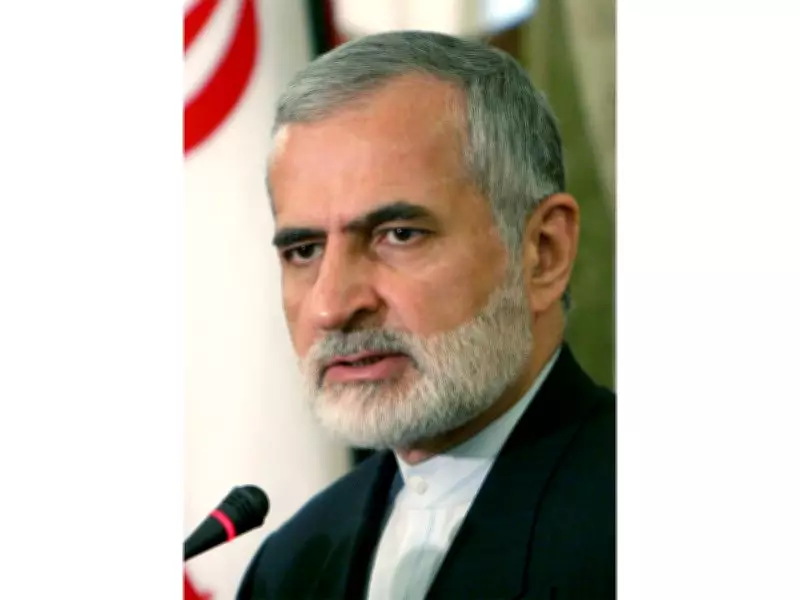
Former Iranian Foreign Minister Kamal Kharrazi Dies from Injuries in Alleged US-Israeli Attack
In a significant development in Middle Eastern geopolitics, former Iranian Foreign Minister Kamal Kharrazi has reportedly succumbed to wounds sustained in an alleged attack by the United States and Israel. According to multiple reports from Iranian state media, Kharrazi, a prominent figure in Iran's diplomatic and political circles, passed away after suffering severe injuries in the incident.
Details of the Alleged Attack and Kharrazi's Condition
The reports indicate that Kharrazi was targeted in what Iranian sources describe as a coordinated assault by US and Israeli forces. The exact location and timing of the attack remain unspecified in the initial accounts, but it is said to have resulted in critical injuries that ultimately led to his death. Iranian media have strongly condemned the attack, labeling it as an act of aggression against a senior Iranian official.
Kamal Kharrazi served as Iran's Foreign Minister from 1997 to 2005, a period marked by significant diplomatic engagements and tensions with Western nations. His tenure included efforts to improve Iran's international relations, though it was also characterized by ongoing disputes over Iran's nuclear program and regional policies.

Background and Political Significance of Kamal Kharrazi
Born in 1944, Kharrazi was a key player in Iran's political landscape for decades. Beyond his role as Foreign Minister, he held various influential positions, including serving as Iran's Ambassador to the United Nations and as an advisor to Supreme Leader Ayatollah Ali Khamenei. His death is likely to have profound implications for Iran's diplomatic strategies and internal politics.
Kharrazi was known for his moderate stance within Iran's conservative establishment, often advocating for dialogue and engagement with the international community. However, he remained a staunch defender of Iran's sovereignty and its right to pursue nuclear energy for peaceful purposes.
Regional and International Reactions
The news of Kharrazi's death has sparked immediate reactions across the region and beyond. Iranian officials have reportedly issued statements mourning his loss and vowing to respond to what they term as foreign aggression. The incident is expected to escalate already high tensions between Iran and the US-Israel alliance, particularly in the context of ongoing proxy conflicts and nuclear negotiations.
International observers are closely monitoring the situation, as Kharrazi's death could influence upcoming diplomatic talks and regional stability. The lack of independent verification from US or Israeli sources adds a layer of complexity to the reports, with potential for misinformation or propaganda.
Implications for Middle East Diplomacy
This event underscores the volatile nature of Middle Eastern politics and the persistent threats faced by Iranian officials. It may lead to:
- Increased Hostilities: Potential retaliatory measures from Iran against US or Israeli interests in the region.
- Diplomatic Fallout: Strained relations in ongoing nuclear deal negotiations and other international forums.
- Internal Political Shifts: Changes in Iran's foreign policy approach following the loss of a seasoned diplomat.
As details continue to emerge, the global community awaits official confirmations and responses from all involved parties. The death of Kamal Kharrazi marks a somber moment in Iran's modern history and could have lasting repercussions on regional peace and security.






