

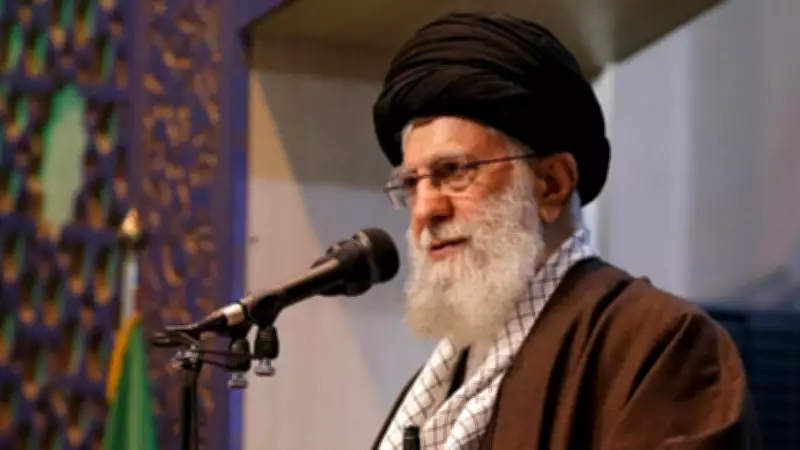
The funeral for Iran's late Supreme Leader Ayatollah Ali Khamenei is set to begin on July 4, with burial scheduled for July 9, according to official announcements. During his rule, Khamenei transformed Iran into a formidable anti-U.S. force, extending its military influence across the Middle East through proxy groups such as Hezbollah in Lebanon. Domestically, he maintained a tight grip on power, using repressive measures to quell any outbreaks of unrest.
Legacy of Power and Influence
Khamenei's leadership spanned decades, during which he consolidated authority and shaped Iran's foreign and domestic policies. His tenure was marked by a staunch opposition to Western influence, particularly the United States, and a strategic expansion of Iran's regional footprint through allied militias and political movements.
Proxy Forces and Regional Reach
Under Khamenei, Iran cultivated a network of proxy forces across the Middle East, including Hezbollah in Lebanon, which played a key role in projecting Iranian power. These groups have been involved in conflicts in Syria, Iraq, and Yemen, often clashing with U.S.-backed forces and regional rivals.

Domestic Crackdowns
At home, Khamenei's regime was characterized by a harsh crackdown on dissent. Protests and uprisings were met with swift and often violent suppression, ensuring the stability of the Islamic Republic despite widespread public discontent over economic hardships and political repression.
The funeral ceremonies are expected to draw large crowds and high-profile mourners from across Iran and the region, marking the end of an era for the country.






