

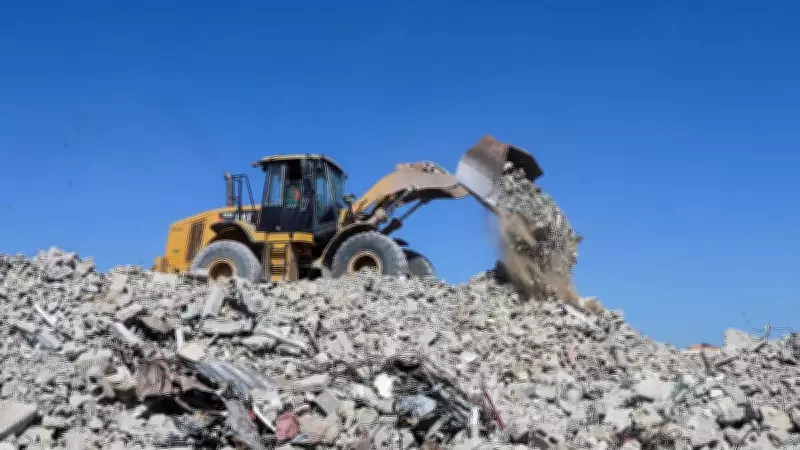
In the Gaza Strip, residents have begun using debris from destroyed buildings to restore damaged streets, as a major reconstruction plan led by the United States remains stalled. The grassroots effort highlights the desperate need for infrastructure repair amid the ongoing conflict and blockade.
Rubble as a Resource
With limited access to construction materials due to the Israeli blockade, Palestinians in Gaza have turned to the vast amounts of rubble generated by airstrikes. This debris is being crushed and repurposed to fill potholes and rebuild road surfaces. Local community groups and municipal workers have organized these efforts, often working under dangerous conditions.
Scope of Damage
The recent conflict has left much of Gaza's infrastructure in ruins. According to local officials, over 60% of roads have been damaged or destroyed, severely impacting daily life and the movement of goods and people. The use of rubble is a temporary but necessary measure to restore basic mobility.

US Rebuilding Plan Stalls
Meanwhile, a comprehensive rebuilding plan backed by the United States has faced significant hurdles. The plan, which aimed to secure billions of dollars in international aid for reconstruction, has been delayed due to political disagreements and security concerns. The lack of progress has frustrated many Gazans, who see the rubble restoration as a stopgap solution.
International Response
International organizations have acknowledged the efforts but stress the need for a long-term solution. The United Nations has called for increased humanitarian access and the lifting of restrictions on construction materials. Without a political resolution, experts warn that the cycle of destruction and makeshift repairs will continue.
Local Initiatives
In the absence of large-scale international support, local initiatives have become crucial. Small businesses and community cooperatives have begun recycling concrete and metal from rubble, providing both employment and materials. These efforts, while small, demonstrate resilience and resourcefulness in the face of adversity.
As the US plan remains in limbo, Palestinians in Gaza continue to rely on their own ingenuity to rebuild their lives, one street at a time.






