

The Collapse of Gaza's Fragile Truce: A Deepening Humanitarian Crisis
The much-anticipated ceasefire in Gaza, intended to bring a temporary respite to the war-torn region, has effectively broken down, leaving civilians caught in a cycle of unabated violence and deprivation. Despite initial hopes for peace, the truce has proven ineffective, with reports indicating that hostilities have resumed with alarming intensity. This failure underscores the complex challenges facing conflict resolution efforts in one of the world's most volatile areas.
Unabated Violence and Escalating Tensions
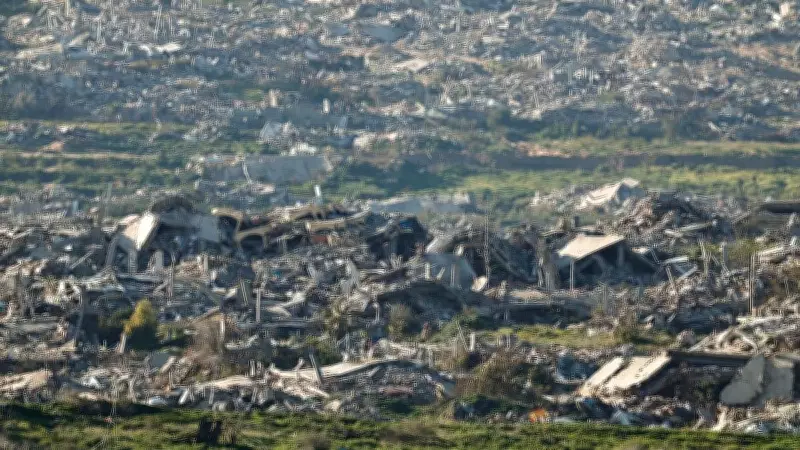
Since the ceasefire was announced, sporadic clashes have escalated into full-scale confrontations, undermining any progress toward stability. Both sides have accused each other of violating the agreement, leading to a rapid deterioration of the situation. The renewed violence has resulted in significant casualties and widespread destruction, further straining the already fragile infrastructure in Gaza. Experts warn that without immediate de-escalation, the conflict could spiral into a more prolonged and devastating phase.
Aid Restrictions and Humanitarian Consequences
Compounding the crisis, severe restrictions on humanitarian aid have crippled relief efforts, leaving thousands without access to essential supplies like food, water, and medical care. Blockades and bureaucratic hurdles have prevented aid organizations from delivering critical assistance, exacerbating the suffering of vulnerable populations. The lack of adequate aid not only threatens lives but also fuels desperation and instability, making it harder to achieve lasting peace.

- Limited access routes for humanitarian convoys due to security concerns.
- Insufficient funding and resources from international donors.
- Political disputes hindering the coordination of relief efforts.
International Apathy and Failed Diplomacy
The international community's response to the Gaza crisis has been widely criticized as inadequate and apathetic. Despite calls for urgent action, global powers have failed to exert meaningful pressure to enforce the ceasefire or address the humanitarian emergency. Diplomatic initiatives have stalled, with key stakeholders unable to reach a consensus on a path forward. This lack of decisive intervention has emboldened parties to continue hostilities, highlighting the need for a more robust and coordinated international approach.
As the situation worsens, analysts emphasize that without renewed diplomatic efforts and increased aid, the prospects for peace remain bleak.Looking Ahead: Challenges and Potential Solutions
To revive the ceasefire and alleviate the humanitarian disaster, several steps are essential:
- Immediate cessation of hostilities through mediated negotiations.
- Unrestricted access for humanitarian aid to reach all affected areas.
- Enhanced international engagement, including sanctions or incentives to encourage compliance.
- Long-term strategies addressing root causes of the conflict, such as political grievances and economic disparities.
The broken truce in Gaza serves as a stark reminder of the complexities involved in resolving protracted conflicts. It calls for a renewed commitment from all parties to prioritize human lives over political agendas, lest the cycle of violence and suffering continues unabated.






