

Gulf States' Long-Standing Security Bet on America Now Faces Exposure
For decades, nations across the Gulf region have placed a significant security bet on the United States, relying heavily on American military support and diplomatic backing to ensure stability in a volatile part of the world. This strategic dependence has been a cornerstone of their foreign policy, shaping alliances and defense strategies since the mid-20th century. However, recent geopolitical developments have starkly exposed the vulnerabilities inherent in this reliance, leaving these states grappling with newfound uncertainties and threats.
The Historical Context of American Security Guarantees
The relationship between Gulf states and America dates back to the post-World War II era, when oil interests and Cold War dynamics forged strong ties. Countries like Saudi Arabia, the United Arab Emirates, and Qatar entered into security pacts with the U.S., which provided military bases, arms sales, and intelligence sharing. This arrangement was mutually beneficial: America secured access to vital energy resources and strategic positioning, while Gulf nations gained a powerful protector against regional adversaries such as Iran and internal instability.
Over the years, this reliance deepened, with Gulf states integrating American security frameworks into their national defense policies.Geopolitical Shifts and Emerging Vulnerabilities
In recent times, a series of geopolitical shifts have begun to unravel this long-standing security bet. The U.S. pivot towards Asia, changing priorities in American foreign policy, and domestic political pressures have led to a reassessment of commitments in the Middle East. Additionally, the rise of non-state actors, regional conflicts, and the increasing influence of other global powers like China and Russia have created a more complex security landscape.

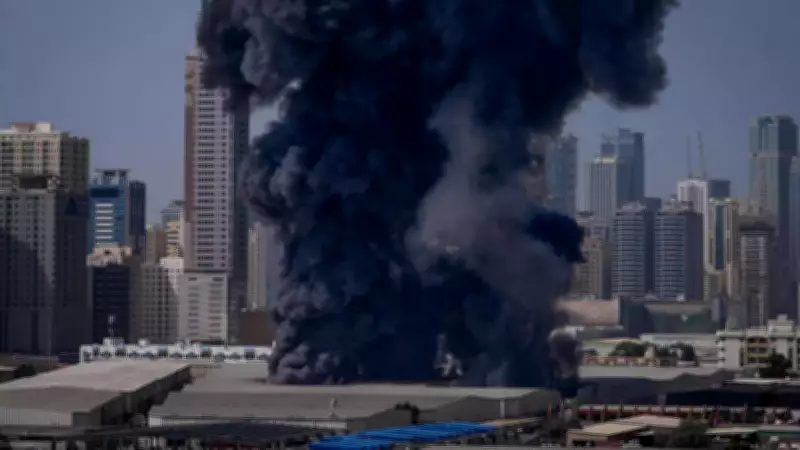
For instance, incidents like attacks on oil facilities and maritime security threats in the Strait of Hormuz have highlighted the limitations of relying solely on U.S. protection. Gulf nations now face the challenge of diversifying their security partnerships and enhancing their own defense capabilities to address these gaps.
Implications for Regional Stability and Future Strategies
The exposure of Gulf states' security reliance on America has profound implications for regional stability. It forces a reevaluation of alliances and prompts a search for alternative security arrangements. Some Gulf countries are already exploring closer ties with European nations, investing in indigenous defense industries, and engaging in multilateral security dialogues.
- Increased focus on regional cooperation among Gulf states themselves.
- Efforts to build stronger diplomatic and military relationships with other global powers.
- Investments in advanced technology and cybersecurity to bolster self-reliance.
This shift marks a critical juncture in Middle Eastern geopolitics, as Gulf nations navigate a future where American security guarantees may no longer be as assured or comprehensive as in the past. The outcome will likely influence not only their own security but also the broader dynamics of international relations in the region.






