The head of Russia's Rosneft oil company has asserted that the blockade of the Strait of Hormuz is a strategic move to reshape global energy market regulations in favor of the United States. Speaking to reporters, the chief executive stated that the closure of this vital waterway is not merely a regional conflict but an attempt to alter the rules governing international energy trade.
Impact on Global Energy Markets
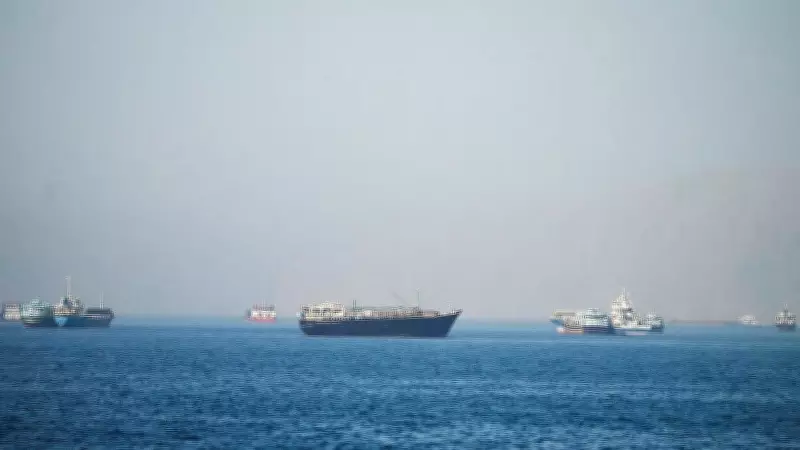
The Strait of Hormuz, a narrow passage between the Persian Gulf and the Gulf of Oman, is a critical chokepoint for global oil shipments. Approximately 20% of the world's oil passes through this strait daily. Any disruption to this flow has immediate repercussions on global oil prices and energy security. The Rosneft chief emphasized that the blockade benefits US energy companies by destabilizing competitors and allowing American firms to gain a larger market share.
Russia's Position
Russia, a major oil and gas producer, has consistently opposed unilateral actions that threaten global energy stability. The Rosneft chief's comments align with Moscow's broader criticism of US foreign policy, which it argues often prioritizes American economic interests over international cooperation. He called for dialogue among all stakeholders to resolve the crisis without further escalation.

- Regional Tensions: The blockade has heightened tensions between Iran and Western nations, with Iran threatening to close the strait in response to sanctions.
- Global Response: Several countries have called for de-escalation, warning of severe economic consequences if the situation persists.
- Energy Prices: Oil prices have already surged by over 10% since the blockade began, affecting consumers worldwide.
Broader Implications
The Rosneft chief's statement underscores the geopolitical dimensions of the crisis. He argued that the United States is leveraging the blockade to weaken rival energy producers, including Russia and OPEC nations, while promoting American shale oil and liquefied natural gas exports. This perspective highlights the ongoing rivalry between major energy players in the context of shifting global supply chains.
As the situation develops, international observers are closely monitoring the Strait of Hormuz, recognizing its significance not only for energy markets but also for global security. The Rosneft chief's remarks add a new layer of rhetoric to an already volatile standoff, emphasizing the need for multilateral solutions to ensure stable and fair energy trade.