

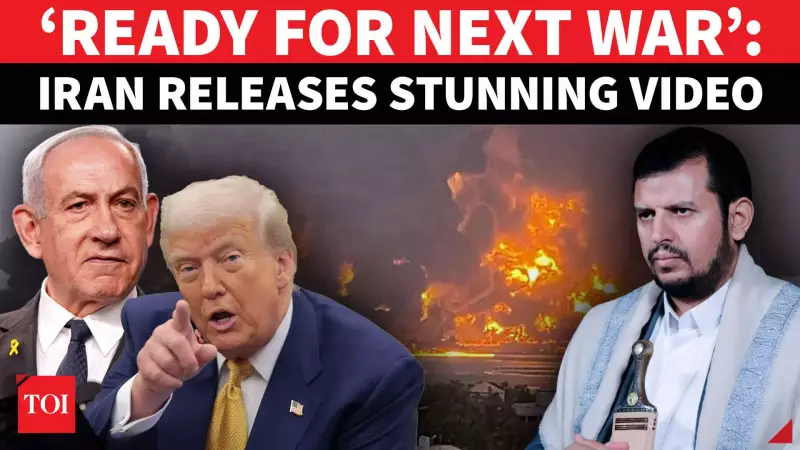
A stark new warning from the leader of Yemen's Houthi rebels has sent shockwaves through the Middle East, signalling the potential for a dangerous new phase of regional conflict. Abdulmalik al-Houthi, the chief of the Iran-backed group, has declared that a second round of war against Israel and the United States is "inevitable." This alarming statement, delivered in a televised address, has put the international community on high alert.
Houthi Leader's Fiery Speech Raises Alarm
In a broadcast that aired recently, Abdulmalik al-Houthi left little room for ambiguity regarding his group's intentions. He stated that his forces are engaged in continuous preparations, working "day and night" for the coming confrontation. The speech, characterised by its aggressive rhetoric, directly challenges the security posture of both Israel and its American ally. This proclamation comes amidst a backdrop of sustained Houthi attacks on international shipping in the Red Sea, which they claim are acts of solidarity with Palestinians in Gaza.
Regional Implications and Global Concerns
The explicit threat of an "inevitable" new war significantly escalates regional tensions. Analysts fear that such a conflict could draw in other actors and destabilise an already volatile area. The Houthis' deepening alliance with Iran provides them with a more sophisticated arsenal, making any potential "Round 2" far more destructive than previous engagements. The warning puts immense pressure on diplomatic channels and international bodies to intervene and de-escalate the situation before it spirals out of control.

Preparations and the Path Forward
Al-Houthi's admission of ongoing military preparations confirms intelligence assessments about the group's enhanced capabilities. The constant state of readiness suggests that any trigger, whether a perceived provocation or a strategic decision, could lead to immediate action. For the United States and Israel, this represents a clear and persistent threat that demands a coordinated security response. The international community now faces the critical task of addressing the root causes of the conflict while containing the immediate risk of a broader war that could impact global trade and energy security.
The situation remains precarious, with the world watching to see if this latest warning will translate into action or if last-minute diplomacy can avert another major conflict in the Middle East.






