

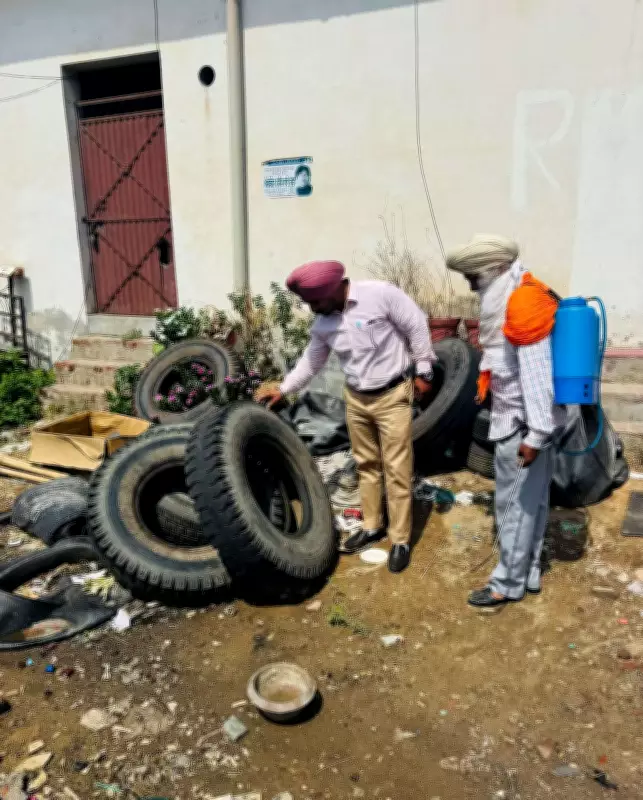
The district health department in Ludhiana initiated an anti-dengue campaign on Friday, targeting high-risk breeding grounds such as Punjab Roadways workshops, PRTC bus depots, and nearby junkyards. Field teams inspected 9,422 houses and checked 21,843 water containers across 238 areas, successfully uncovering and eliminating mosquito larvae.
Focused on Stagnant Water
The drive concentrated on removing stagnant water from discarded tyres, scrap materials, and storage containers. Officials stated, "Wherever larvae were found, immediate destruction was carried out, followed by anti-larval measures and spray activities to prevent the spread of vector-borne diseases."
Coverage and Workforce
The operation covered Punjab Roadways workshops and 177 junkyards. The frontline workforce included multi-purpose health workers (MPHWs), swasth sahayaks, and breeding checkers, with support from nursing students. The campaign was monitored by the district epidemiologist, ayurvedic medical officer, and multi-purpose health supervisors.

Awareness Activities
Alongside inspections and chemical spraying, teams conducted awareness sessions to educate transport workers and residents on recognizing dengue symptoms and maintaining dry surroundings. Civil surgeon Dr. Ramandeep Kaur emphasized the risk posed by transport hubs and called for collective responsibility. "Bus depots, workshops, junkyards, and discarded tyres can become major breeding grounds for dengue mosquitoes if proper precautions are not taken. The fight against dengue cannot be won by the health department alone; it requires active participation from every citizen and institution. I urge all departments, transport workers, and residents to ensure no water remains stagnant in their surroundings. Early detection, timely action, and community cooperation are the strongest weapons against dengue. Together, we can safeguard our families and build a dengue-free district," she said.






